
Townhouse Search: Find the Right Fit Faster in 2026
Your complete guide to finding a townhouse for sale Edmonton—ownership types, steps to buy, best practices, local tips, and tools to act fast with confidence.
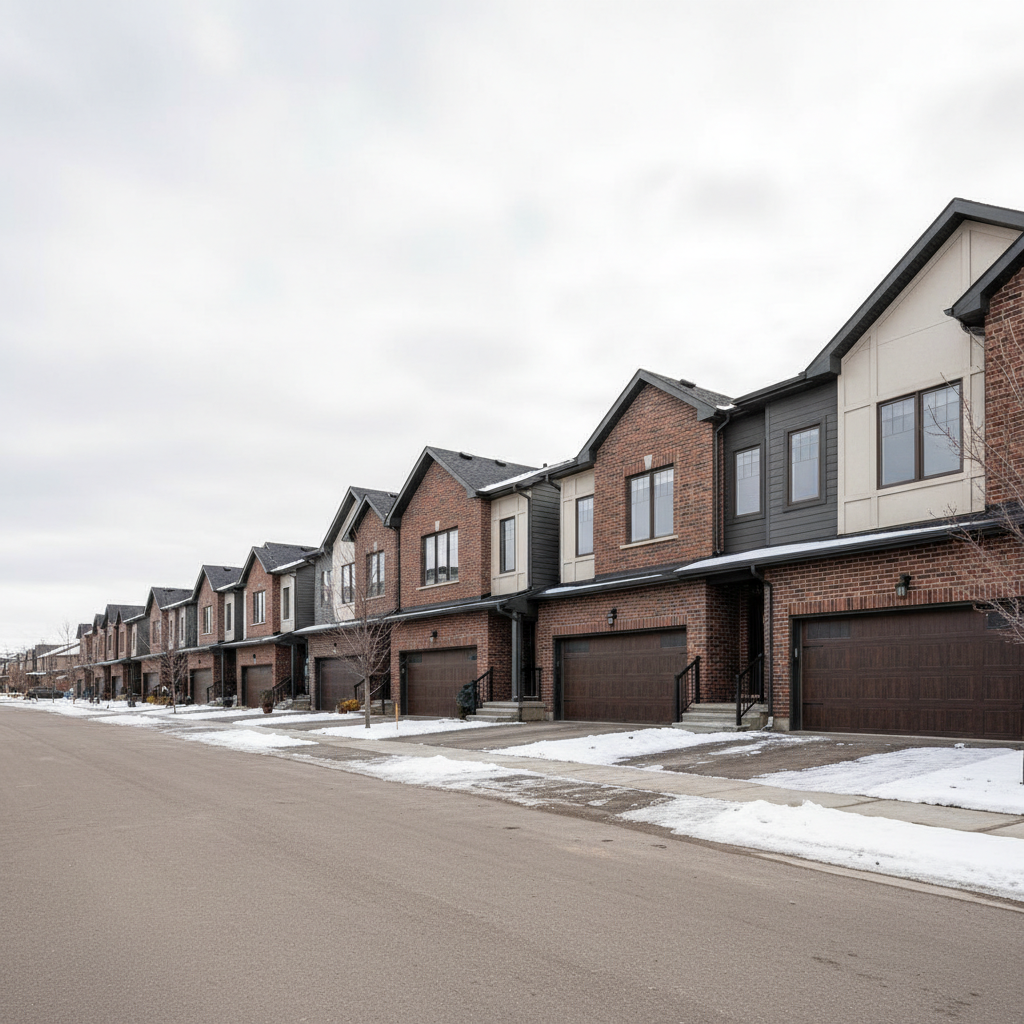
Townhouse for sale Edmonton refers to active townhome listings across the city that you can buy right now. At ANAND REALTY INC in Southeast Edmonton (5008 4 Ave SW), we guide you from search to keys using MLS tools, local insight, and firm negotiation so you land the right home with confidence.
By ANAND REALTY INC • Last updated: May 25, 2026
Quick Summary
Edmonton townhouses combine single-family feel with lower maintenance and smart value. This guide explains what a townhome is, how the offer-to-close timeline works, ownership types, winning-offer tips, and the exact tools ANAND REALTY INC clients use to find and secure the right property faster.
- What you’ll learn: definitions, ownership types, steps to buy, best practices, and how to compare townhouses vs condos vs duplexes.
- Tools you’ll use: MLS map search, watch list alerts, home evaluation, and our Home Finder intake to sharpen criteria.
- Local lens: Southeast Edmonton micro-markets like Laurel, Charlesworth, and Summerside, with neighborhood-level tips.
- Outcome: a clear plan to target, evaluate, and win the townhouse that fits your budget, lifestyle, and timeline.
What Is a Townhouse in Edmonton?
A townhouse is a multi-level home that shares one or two walls with neighbors while offering private entrances and often garages. In Edmonton, townhomes range from freehold (you own land and building) to condo-style (you own the unit plus common areas), balancing space, privacy, and maintenance.
A townhome blends the feel of a detached house with the simplicity of managed exterior work in many communities. Typical layouts feature 2–3 bedrooms, 1.5–2.5 bathrooms, and 1,000–1,600 square feet of living space, which suits first-time buyers, move-up families, and investors alike.
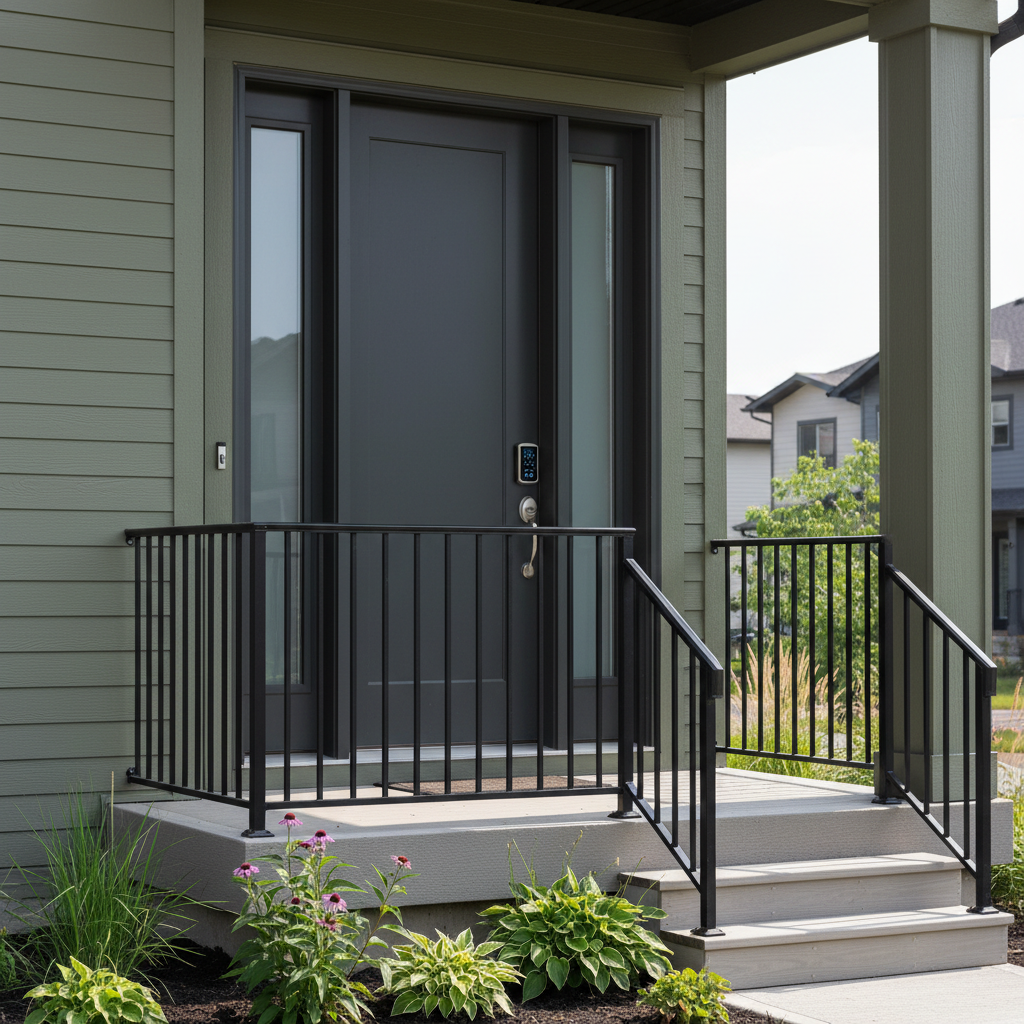
- Private entry: Street-facing or courtyard entries provide direct access and better everyday convenience.
- Vertical living: Most are 2–3 stories, with bedrooms upstairs and living on the main.
- Parking: Single or double attached garages are common; some offer energized outdoor stalls.
- Outdoor space: Patios, balconies, or small yards add 80–300 square feet of functional exterior space.
- Community: Planned neighborhoods often include trails, playgrounds, and HOA/condo-managed amenities.
In our experience, the right definition matters because it shapes financing, insurance, and your maintenance plan. Freehold townhomes shift more exterior responsibility to owners; condo townhomes centralize exterior care in a board-managed budget. We’ll connect these definitions to your day-to-day costs, risk profile, and resale strategy during your buyer consult.
Why Townhomes Matter for Buyers and Investors
Townhomes balance space, privacy, and upkeep, often delivering more square footage per dollar than comparable condos and less maintenance than detached homes. They rent competitively, resell well in established pockets, and fit many buyers’ 3–5 year life plans without overextending on size or maintenance.
Here’s the thing: you’re optimizing for life, not just a floor plan. Townhouses typically offer 2–3 bedrooms, attached parking, and defined living zones—key for remote work and growing families. Shared walls can translate to lower heating costs, and managed exteriors in condo forms free weekend hours you’d otherwise spend on yard work.
- Space efficiency: Many units deliver 1,200–1,500 sq ft with smart storage, making every square foot work harder.
- Lower upkeep: In condo-style communities, exterior maintenance and snow removal are coordinated, improving predictability.
- Investment fit: Two- and three-bedroom layouts align with strong rental demand segments across Edmonton.
- Resale demand: Established townhome complexes in Southeast and Southwest Edmonton maintain steady buyer interest year-round.
- Energy use: Shared walls and efficient envelopes can moderate utility consumption during winter cold snaps.
We’ve found that buyers comparing 1,000–1,600 sq ft townhomes to similar-size condos appreciate the private entry, attached garage, and defined outdoor space. Those three features alone often tip the decision when we stack-rank wants vs. needs in our Home Finder intake.
How Buying a Townhouse Works in Edmonton
The Edmonton townhouse purchase path moves from discovery and pre-approval to targeted search, showings, offer, conditions, and closing. With clear criteria and saved-search alerts, most clients shortlist 6–10 homes, tour 3–5, and move from offer to keys in roughly 30–60 days, depending on conditions.
- Clarify goals and budget: We align must-haves and nice-to-haves, outlining 2–3 neighborhoods that fit commute, schools, and lifestyle.
- Get pre-approved: A firm pre-approval sets your ceiling and strengthens offers. It also shapes condition deadlines (e.g., financing in 5–7 business days).
- Activate searches: Launch MLS map filters and watch-list alerts via our Map Search and Home Finder so you see new matches within minutes.
- Tour strategically: We stack showings to compare floor plans and light quality back-to-back; 3–5 tours usually surface a front-runner.
- Write a strong offer: Terms, timing, and conditions (financing, inspection, condo-doc review) are tuned to the property and seller priorities.
- Complete due diligence: Inspections and condo-doc reviews often take 3–7 days; we flag building envelope, reserve fund, bylaws, and insurance items.
- Close and move: Possession windows commonly land 30–60 days out. We coordinate keys, utilities, and move-in logistics so day one is smooth.
Our Buying Representation centers on data and negotiation. We benchmark list-to-sale patterns in your micro-market and use recent townhome comparables drawn from our What Your Neighbor Sold For tool to calibrate offer strength and timing.
Free strategy check-in: Book a 15-minute consult to align criteria, timelines, and alerts. We’ll set up saved searches, refine neighborhoods, and map next steps before you tour a single home.
Types of Townhouses and Ownership Models
Edmonton townhomes come in freehold, bare-land condo, conventional condo, and stacked formats. Freehold emphasizes owner control; condo models centralize exterior care. Understanding walls, land, and common-area rights clarifies maintenance responsibilities, financing, insurance, and long-term resale positioning.
Ownership structures
- Freehold townhouse: You own the home and land. Exterior upkeep is your responsibility; no condo board bylaws apply.
- Bare-land condo townhouse: You own the building and the plot within a condo plan. There’s typically a fee for shared roads/landscaping.
- Conventional condo townhouse: You own the unit; the board manages exterior and common areas. Bylaws cover use (pets, rentals, parking).
- Stacked townhouse: Multi-level units arranged vertically; some sit above/below others, often with efficient footprints.
Pros and considerations
- Control vs convenience: Freehold maximizes control; condo formats trade some control for predictable exterior maintenance.
- Financing/insurance: Lenders and insurers may treat condo vs freehold differently; documentation requirements vary by structure.
- Resale: Clear bylaws, healthy reserves, and consistent exterior standards tend to support stable resale outcomes.
- Lifestyle: If weekend time is scarce, condo-managed snow, lawn, and exterior care can be a real advantage.
Townhouse vs. condo vs. duplex (quick comparison)
| Feature | Townhouse | Apartment Condo | Duplex (Half) |
|---|---|---|---|
| Private Entry | Yes | Usually No (shared lobby) | Yes |
| Attached Garage | Often | Rare | Often |
| Exterior Maintenance | Owner or Condo-managed | Condo-managed | Owner |
| Outdoor Space | Patio/Yard/Balcony | Balcony | Yard |
| Noise Transfer | Low–Moderate (shared walls) | Moderate (above/below neighbors) | Low–Moderate (one shared wall) |
| Resale Liquidity | Strong in established pockets | Stable, building-dependent | Neighborhood-dependent |
Use our Home Evaluation insights to understand how ownership type, bylaws, and maintenance standards have influenced recent sales in your target complexes. That context helps you prioritize the right features before you write an offer.
Neighborhoods and Micro‑Markets in Southeast Edmonton
Southeast Edmonton townhome demand clusters around Laurel, Charlesworth, and Summerside. For T1X 1V3 buyers, access to schools, trails, and commuter routes creates steady interest. Expect 2–3 bedroom layouts, attached garages, and family‑friendly amenities that support both first‑time buyers and long‑term owners.
Micro-markets move differently. Laurel often features newer builds with efficient footprints; Charlesworth mixes established complexes with trail access; Summerside’s amenity-rich vibe draws activity seekers. When we filter our MLS map search by age, size, and parking, patterns emerge fast—use that data to time offers and avoid bidding on outliers.
- Laurel: Popular with move-up families seeking 1,300–1,600 sq ft and attached garages near schools.
- Charlesworth: Row homes with parks and pathways; many 2–3 bedroom options with smart main floors.
- Summerside: Amenity appeal and recreation access create consistent showing traffic across seasons.
- Walker/Walker Lakes: Balanced options for first-time buyers, often with modern finishes.
Local considerations for Southeast Edmonton
- Plan showings around family time at Charlesworth Park; afternoon light in east‑west units shows best.
- Winter commutes near 50 Street & Ellerslie Road SW can stack up; test drive the route during peak hours before writing.
- Snow and freeze‑thaw cycles make exterior seals and grading checks essential during inspections—especially on north‑facing facades.
Best Practices to Win the Right Townhouse
Win your target townhouse by pairing fast alerts with clean, confident terms. Pre-approval in hand, timely showings, thoughtful conditions, and precise comparables give you leverage. Flexible possession and a responsive agent team make the difference when multiple buyers appear.
- Be first, but thorough: Set watch-list alerts and tour within 24–48 hours; bring a concise checklist for storage, light, and noise.
- Write strong, not reckless: Keep critical protections like financing and inspection; tune timelines to property age and condition.
- Show seller empathy: Align possession with the seller’s next move when possible to strengthen your position.
- Use real comparables: Pull complex-level sales from our What Your Neighbor Sold For tool to justify terms.
- Read the bylaws: Pet limits, rental rules, and parking policies shape livability and resale—know them before you commit.
Our clients who combine rapid alerts with exact comps frequently secure their first choice without overreaching on terms. When it’s close, a cleaner timeline (for example, 5 business days for financing and inspection) often beats a marginally higher number with vague dates.
Tools and Resources for Edmonton Townhouse Shoppers
The fastest path to the right townhouse uses data and automation: MLS map filters, saved-search alerts, condo‑doc checklists, and recent‑sale comparables. ANAND REALTY INC centralizes these tools so you move from browsing to confident offers without missing fresh listings.
- Launch targeted filters with our interactive map search and save 2–3 searches by area and size.
- Submit criteria via the Home Finder so we can auto‑curate on‑market and upcoming options.
- Review real‑world comparables with our What Your Neighbor Sold For lookup to anchor offer strength.
- Scan office listings for exclusive townhome opportunities and timing advantages.
- Use our home evaluation workflow to understand value drivers before writing.
For added perspective on structuring your search, see this concise property search guide. And for a broader understanding of how new inventory appears and is syndicated online, we like this plain‑English listings guide. To visualize listing anatomy, here’s a sample townhouse listing layout.
Case Studies: Real Buyer Paths to a Great Townhouse
Successful townhouse purchases follow clear patterns: dialed‑in criteria, fast alerts, focused tours, and data‑anchored offers. These three brief scenarios mirror what we see weekly, showing how different goals still converge on a predictable, low‑stress path to possession.
First‑time buyer in Laurel
- Profile: Two professionals, remote‑friendly roles, want 2 bedrooms plus a den.
- Plan: We set three saved searches (1,100–1,400 sq ft, attached garage, built after 2014) and weekly Saturday tours.
- Result: Shortlisted 7 homes, toured 4, wrote 1 clean offer with 6 business‑day conditions, secured first choice.
Actionable tip: stack tours back‑to‑back so differences in light, storage, and traffic flow are obvious. A side‑by‑side feel test beats spreadsheets when homes look similar on paper.
Move‑up family in Summerside
- Profile: Growing family, needs 3 bedrooms, flexible possession window.
- Plan: We targeted end units (extra windows) with 1,300–1,600 sq ft and aligned possession with the seller’s new‑build handover.
- Result: One offer, two counterproposals, accepted with inspection credit tied to a minor repair timeline.
Actionable tip: end‑unit premium often pays back in daily light and future resale appeal. We flag these early in your saved searches.
Investor seeking durable rental
- Profile: Long‑term hold, wants 2–3 bedrooms near commuter routes.
- Plan: We filtered for walkable amenities, energized parking, and bylaws that permit rentals.
- Result: Secured a 3‑bed stacked unit with efficient utilities and strong tenant interest in week one.
Actionable tip: bylaws and parking rules are as important as finishes. Rental stability hinges on the right policy environment as much as floor plan.
Value Drivers (Without Talking Price): What Actually Moves Townhouse Demand
Value in townhomes is driven by location, size, parking, age, upgrades, bylaws, and exterior condition. Healthy reserves and clear maintenance histories support confidence, while natural light, end‑unit orientation, and functional storage quietly drive showing‑to‑offer conversion.
- Location and access: Proximity to commuter routes, parks, and schools consistently increases showing volume.
- Square footage and layout: 2–3 bedrooms with defined work space appeal to today’s hybrid schedules.
- Parking: Attached garages and energized stalls reduce winter friction and attract more buyers.
- Age and envelope health: Roofing, siding, and grading history matter—especially after freeze‑thaw cycles.
- Bylaws and reserves (condo): Clear pet/rental rules and a documented reserve‑fund plan signal board competence.
- Natural light: Corner/end units and south/west exposures present brighter, photograph better, and often sell faster.
We synthesize these drivers when we prepare offers. If two comparable homes differ mainly on orientation and parking, we’ll quantify livability advantages and factor them into terms and timelines. The goal isn’t to “win at all costs,” but to trade for the right bundle of daily benefits.
Frequently Asked Questions
Buyers ask about ownership differences, condo‑doc reviews, and the best timing to act. Here are concise answers you can use right now, plus direct links to tools that make each step faster and clearer with ANAND REALTY INC.
What’s the difference between freehold and condo townhouses?
Freehold means you own the home and land, and you handle exterior maintenance. Condo townhouses centralize exterior work and common areas under a board with bylaws. Financing, insurance, and rules (pets, rentals, parking) can differ, so review documents before committing.
How many homes should I tour before writing an offer?
Most buyers shortlist 6–10 properties and tour 3–5 before a clear front‑runner emerges. Back‑to‑back tours make lighting, storage, and layout differences obvious. Saved‑search alerts help you spot strong candidates early, so you’re not rushing once competition shows up.
What condo documents matter most for a townhouse purchase?
Focus on bylaws, reserve‑fund study, insurance certificate, recent meeting minutes, and any special project communications. You’re looking for clarity on exterior maintenance history, capital plans, and rules that affect daily living (pets, rentals, parking, renovations).
When is the best season to buy a townhouse in Edmonton?
Inventory tends to rise in spring and early summer, creating more choice. Fall and winter can bring motivated sellers and fewer competing buyers. The best time is when your financing is ready and you have alerts active—being prepared beats seasonality.
How do I compare similar townhouses quickly?
Use a simple scorecard: orientation/light, parking type, envelope condition, bylaws (if condo), layout storage, and walkable amenities. Then overlay complex‑level comparables from our What Your Neighbor Sold For tool to sanity‑check terms.
Conclusion and Next Steps
Finding the right Edmonton townhouse is a process you can control: define must‑haves, activate alerts, tour intentionally, and write data‑anchored offers. With ANAND REALTY INC’s local insight and MLS tools, you’ll move from browsing to confident ownership on a clear, low‑stress timeline.
- Key takeaways: Use saved searches, tour back‑to‑back, protect critical conditions, and favor end‑unit light when possible.
- Action now: Turn on alerts in our Map Search and submit criteria via the Home Finder.
- Ready to move? Start with a quick consult and we’ll outline neighborhoods, timelines, and offer strategy tailored to you.
Let’s get you home in Southeast Edmonton. Reach out to ANAND REALTY INC for a focused plan that fits your timeline—and your everyday life.