
Parkland County Real Estate: Know the Market in 2026
Your complete guide to real estate Parkland County—how to search, validate value, and close with confidence using MLS tools, sold data, and rural due diligence.

Parkland County real estate refers to acreage, country residential, and small-town homes west of Edmonton. From our base at 5008 4 Ave Sw in AB (T1X 1V3), ANAND REALTY INC guides buyers and investors to evaluate listings, due diligence, and neighborhood fit so decisions are confident, timely, and aligned with long-term goals.
By ANAND REALTY INC (Anand Mistry) · Last updated: 2026-06-07

Above-Fold Overview: Why Parkland County Real Estate Is On Buyers’ Radars
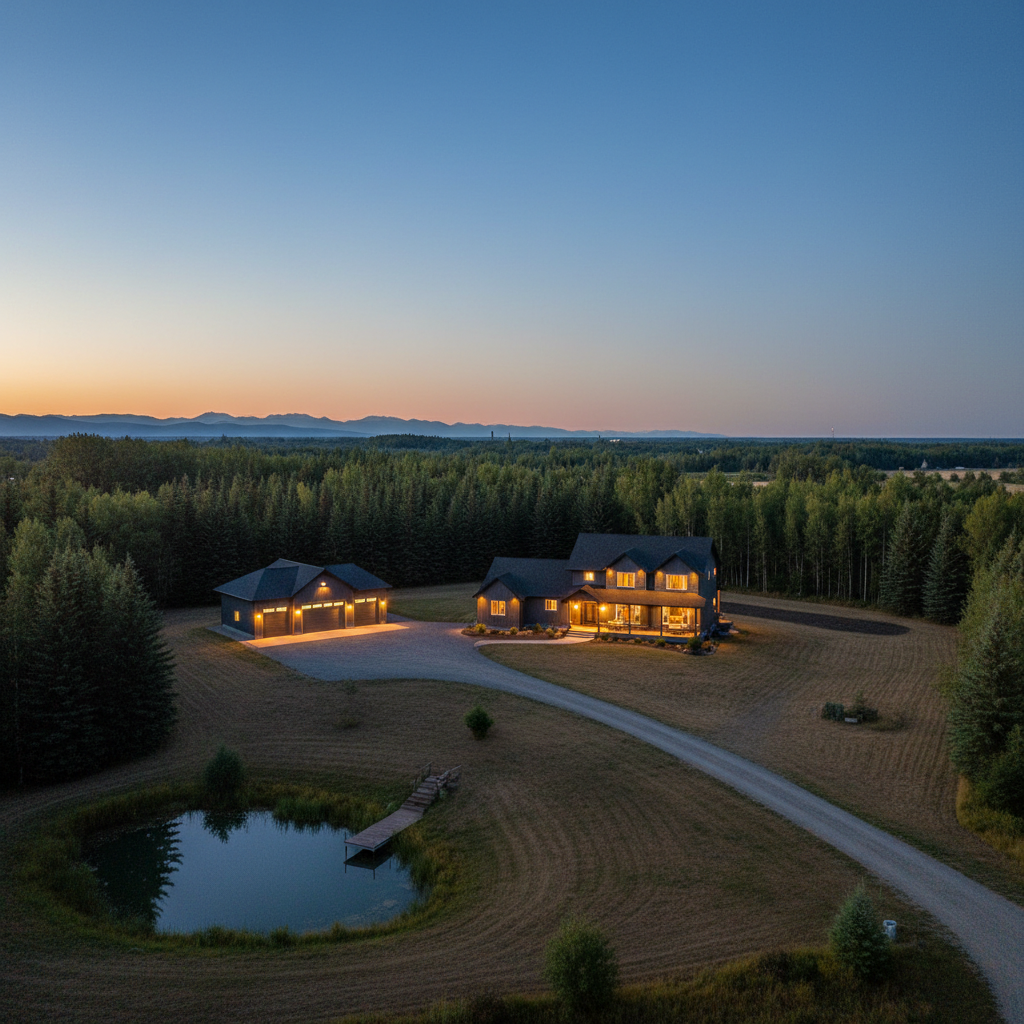
Parkland County real estate offers space, privacy, and access to Edmonton amenities, making it a practical option for move-up families and investors. Buyers gain larger lots, outbuilding potential, and quieter streets while staying within commuting distance to jobs, schools, and services. Strong search tools and rural-specific due diligence streamline the path to a smart purchase.
Thinking about room to breathe without losing access to city life? Parkland County checks that box for many Edmonton buyers. This complete guide shows you how to search smarter, validate value, and close with confidence.
At a glance
- Understand property types: acreages, hamlets, lake communities, and town homes.
- Use the Edmonton MLS map, watch lists, and sold-data tools to stay ahead.
- Account for rural due diligence: well, septic, access, and zoning reviews.
- Plan financing and appraisal steps tailored to country residential properties.
- Work a proven, step-by-step process to evaluate, negotiate, and move in.
What Is Parkland County Real Estate?
Parkland County real estate includes acreages and country residential homes west of Edmonton, plus hamlets and lake communities. From our AB office near T1X 1V3, we help clients assess lot size, servicing (well/septic), commute time, and resale indicators so each property aligns with lifestyle and investment goals.
In plain terms, you’re choosing space and privacy with urban access. Inventory spans treed acreages, hobby-farm potential, and small-town streets with parks nearby. The tradeoff is added due diligence—rural services and access routes matter as much as bedrooms and baths.
Local considerations for AB
- Seasonality: Listing activity rises from late spring to early summer. Plan showings and inspections to avoid peak weekend traffic.
- Weather windows: Rural roads and site access can be easier to inspect after thaw; rooflines and grading are also easier to evaluate.
- Commute reality: Time your test drives during typical rush periods to validate door-to-door timing from Parkland County into Edmonton.
Why Parkland County Matters for Edmonton Buyers and Investors
Parkland County matters because it blends acreage living with Edmonton access, delivering bigger lots, outbuilding options, and quieter streets. For investors, diversified property types and tenant demand from commuters create flexible strategies, from buy-and-hold to furnished rentals.
Here’s the thing: choice creates leverage. When you can pick from acreages, townhomes, and lakeside streets, you can optimize for yard size, commute, or amenities. Investors value rental demand from city workers and project teams that want calm, well-connected bases.
- Space + privacy: Larger lots open the door to garages, workshops, and gardens—lifestyle and resale value drivers.
- Commute balance: Many buyers target 30–50 minute door-to-door timings. Test routes before you write an offer.
- Property diversity: Mix of older character homes and newer builds helps match budget and timeline.
- Investment fit: Commuter-friendly leases, family rentals near schools, and medium-term housing for relocations.
- Value validation: Pair active listings with local sold data using our What Your Neighbor Sold For tool.
In our experience with Edmonton-area clients, the winning play is to shortlist by commute band and services (municipal vs. well/septic). It narrows the field fast and surfaces the winners.
How Parkland County Purchases Work (Process + Due Diligence)
Buying in Parkland County follows a standard offer process but adds rural due diligence. Expect well and septic verification, access and utility checks, and appraisal coordination. A structured timeline reduces risk: search, shortlist, inspect, negotiate conditions, confirm financing, and close.
Country residential deals reward preparation. We organize the path so each step is clear, documented, and scheduled—no surprises, fewer delays.
Step-by-step workflow
- Define fit: Commute band, property type, lot size, and must-haves.
- Live search: Use the Edmonton MLS map with filters; save alerts to your watch list.
- Shortlist tour: Visit 4–6 best matches; take driveway and access notes.
- Offer & conditions: Include inspection and relevant rural service reviews.
- Verification: Coordinate inspections and documents; align appraisal timeline with lender milestones.
- Close & move: Final walkthrough focused on access, systems, and outbuildings.
Rural due diligence essentials
- Water: Identify well type and recent test results; confirm supply consistency and potability.
- Septic: Verify system type, maintenance history, and location relative to additions or garages.
- Access: Note road maintenance, driveway grade, and winter reliability.
- Utilities: Confirm natural gas/propane, electrical capacity, and any overhead line easements.
- Zoning/use: Check municipal bylaws for outbuildings, home businesses, and livestock thresholds.
- Insurance: Some rural risks differ from urban; your policy should reflect well, septic, and outbuildings.
We coordinate documentation and timelines so your lender, inspector, and appraiser are moving in lockstep—one of the easiest ways to protect your deposit and your time.
Types of Properties You’ll See (With Real-World Examples)
Expect treed acreages, hobby-farm candidates, lake-area cottages, and small-town homes. Each type has a distinct due diligence profile. Match the property to your goals—commute, maintenance level, and long-term plans—before you write an offer.
Acreages and hobby-farm potential
- Treed privacy: Shelterbelt trees, long driveways, and workshop-ready garages.
- Action tip: Walk the lot edge-to-edge; note drainage, slopes, and neighbor proximity.
- Example: Clients prioritized a south-facing yard and detached shop; we filtered map results, toured three, and secured their top pick with clean conditions.
Lake communities and cottages
- Seasonality: Water levels, shoreline stability, and dock permissions can shape enjoyment and resale.
- Action tip: Validate setbacks and recent shoreline work with municipal notes.
- Example: A family wanted summer access and winter quiet; we matched them with a four-season cottage close to their preferred commute route.
Hamlets and small-town streets
- Walkable amenities: Schools, rinks, and local shops within a short drive.
- Action tip: Drive at school pick-up hours to gauge street flow and noise.
- Example: Downsizers traded yard size for a newer bungalow near health services—lower maintenance, strong resale appeal.
Best Practices for Buying in Parkland County
Win in Parkland County by narrowing your search early, validating rural services, and tracking sold data. Pair the MLS map with a saved watch list, then negotiate from evidence—recent comparables, condition reports, and clear close dates.
- Use live search tools: Set filters on the Edmonton MLS map to surface true matches quickly.
- Track solds: Request local data via What Your Neighbor Sold For before you bid.
- Inspect what matters: Prioritize well, septic, roof, grading, and outbuildings.
- Plan timelines: Align lender, appraisal, and inspection calendars early.
- Leverage resources: Review our Buying resources and office listings.
Most stress in rural deals stems from unclear timelines or missing documents. We front-load both—so your negotiation focuses on value, not firefighting.
Tools and Resources (So You Stay Ahead)
Combine the MLS map, saved watch lists, sold-data reports, and a mortgage calculator to act fast and negotiate hard. Centralize alerts, validate value with comparables, and enter offers with your financing plan locked.
We organize your toolkit so you can make decisions in hours, not days.
- Edmonton MLS map: Draw boundaries, filter by lot size, garage, and age.
- What Your Neighbor Sold For: Anchor your offer to recent, local sales.
- Featured/my listings: Pre-screen move-in-ready options.
- Office listings: Broaden selection beyond your shortlist.
- Investor resources: Structure buy-and-hold or furnished rental plans.
- Buying guides: Step-by-step playbooks from search to closing.
Budget, Affordability, and Appraisals (No Sticker Shock)
Set a budget with your lender, then plan for rural extras like well and septic reviews. Appraisals consider land, outbuildings, and upgrades differently than city homes. Align conditions and timelines so financing and valuation milestones stay in sync.
You don’t need pricing here to plan well. What you need is a framework that prevents last-minute surprises and builds in time for verifications.
- Pre-approval first: Lock your range before touring; it sharpens negotiations.
- Condition buffers: Provide realistic time for rural inspections and any remedial quotes.
- Appraisal notes: Land utility, shop quality, and permitted structures influence valuation.
- Insurance review: Confirm coverage fit for outbuildings and rural systems.
We keep your lender looped in with inspection findings so the appraisal and conditions talk to each other—no last-minute scrambles.
Acreage vs. City Purchase: What’s Different?
City and acreage purchases share core offer steps, but country deals require extra checks on water, septic, access, and zoning. Build those into your conditions and schedule, and you’ll de-risk the transaction without slowing it down.
| Topic | City Home | Acreage / Country Residential |
|---|---|---|
| Services | Municipal water/sewer | Well + septic (verify supply, potability, maintenance) |
| Access | Paved streets, city plowing | Driveway grade, winter reliability, road maintenance |
| Appraisal focus | House + neighborhood comparables | Land utility, outbuildings, permitted structures |
| Insurance | Standard urban coverage | Policy fit for well, septic, shop/outbuildings |
| Due diligence | Inspection, title, disclosures | Inspection + water, septic, access, utility, zoning checks |
Use this table as your checklist. If a detail could affect daily life or future resale, verify it during conditions—not after possession.
Mini Case Studies (Real Edmonton Scenarios)
Parkland County wins when the plan is clear. These three scenarios show how commute tests, rural inspections, and sold-data validation combine to deliver results—even in fast-moving conditions.
- Move-up family (workshop goal): We filtered the MLS map by lot size and garage, toured three acreages, and negotiated a clean close date after septic verification.
- Downsizer (low maintenance): We focused on small-town bungalows near health services, validated roof and grading, and secured a home with minimal yard work.
- Investor (commuter lease): Using sold data, we framed an offer that aligned with local rents and recent comparables.
Each path started with a specific goal and a constrained map search. That’s how you turn a big market into a short list that makes sense.
Seasonality, Timing, and Negotiation Levers
Parkland County listing activity clusters in late spring and early summer. Smart buyers prep financing, watch lists, and inspection providers early, then use sold-data evidence and clean timelines to negotiate firmly when the right acreage appears.
- Prep now, act fast: Saved alerts mean you tour in days, not weeks.
- Leverage clarity: Firm dates and complete condition lists strengthen your position.
- Use comparables: Anchor offers to nearby sales via our sold-data reports.
- Offer hygiene: Organized files reassure sellers—especially on rural systems.
When we present your offer package, we highlight verification steps already booked. Sellers see certainty—and that often becomes the tie-breaker.
Edmonton MLS Map Tips for Parkland County Searches
Use the MLS map’s drawing tools, lot-size filters, and saved alerts to control your Parkland County search. Focus on commute bands, road access, and acreage-ready features like shops and RV parking to surface the strongest options first.
- Draw your world: Use polygons to follow commute routes you’ll actually drive.
- Filter the musts: Garage, lot size, bedrooms, and year built narrow noise fast.
- Save and share: Watch lists keep everyone on the same page.
- Pair with solds: Validate pricing using local sales.
This workflow mirrors how we search internally. It saves time and prevents “perfect on paper, wrong in reality” showings.
Let’s Map Your Parkland County Shortlist
A 15-minute discovery call turns your must-haves into a saved search with alerts, showing routes, and a due diligence plan. You get clarity, speed, and a confident path to an acreage you’ll love.
What you’ll get:
- Custom MLS map with commute bands and filters.
- Sold-data snapshot for your target area.
- Inspection and appraisal timeline template.
Start by exploring the Edmonton MLS map and adding favorites to your watch list.
Frequently Asked Questions
Common Parkland County questions focus on wells, septics, access, and negotiation timing. These fast answers help you move from curiosity to clarity.
What’s different about buying an acreage vs a city home?
Acreage deals add rural due diligence—well and septic checks, access and utilities, and zoning verification. Build those into conditions and timelines. The core offer structure is similar to the city, but country properties require a few extra, well-defined steps.
How can I validate value before I make an offer?
Pair active listings with recent local sales and property characteristics. Use our What Your Neighbor Sold For tool, review inspection findings, and coordinate appraisal timing with your lender so value, conditions, and dates align.
When is the best time to search in Parkland County?
Listing activity often increases from late spring to early summer. Prepare financing and alerts early, then tour quickly when matches appear. Off-peak months can also be productive if you’re patient and set wide-enough filters.
Do lenders underwrite acreages differently?
Underwriting focuses on the home first, while land utility, outbuildings, and permitted uses inform appraisal and risk. Keep documentation organized and coordinate inspection timelines with lender milestones to prevent delays.
Key Takeaways
To win in Parkland County, pair a targeted MLS map search with rural due diligence and sold-data validation. Keep timelines clean, documents organized, and comparables handy—then negotiate from clarity.
- Start with commute bands and must-have filters.
- Verify well, septic, access, and zoning during conditions.
- Use local sales data to anchor offers.
- Coordinate lender, appraisal, and inspections early.
Conclusion
Parkland County real estate works when your plan is simple and your evidence is strong. Map the search, verify rural systems, and lean on local sales data. The result: a confident purchase that fits how you live—and how you’ll resell.
If you’re ready to explore Parkland County, let’s turn your goals into a short list and a clear path to possession.
For broader context on listings workflows and agent roles, you can review these market overviews from established real estate publishers: see a listings guide overview, insights on how agent services are structured, and a recent market digest. Use them as general references while relying on local sold data for Parkland-specific decisions.