
Open House Tips Edmonton: Find the Right Home in 2026
Your complete guide to open houses Edmonton: plan routes, ask smart questions, score each tour, and move from open house to offer with confidence.
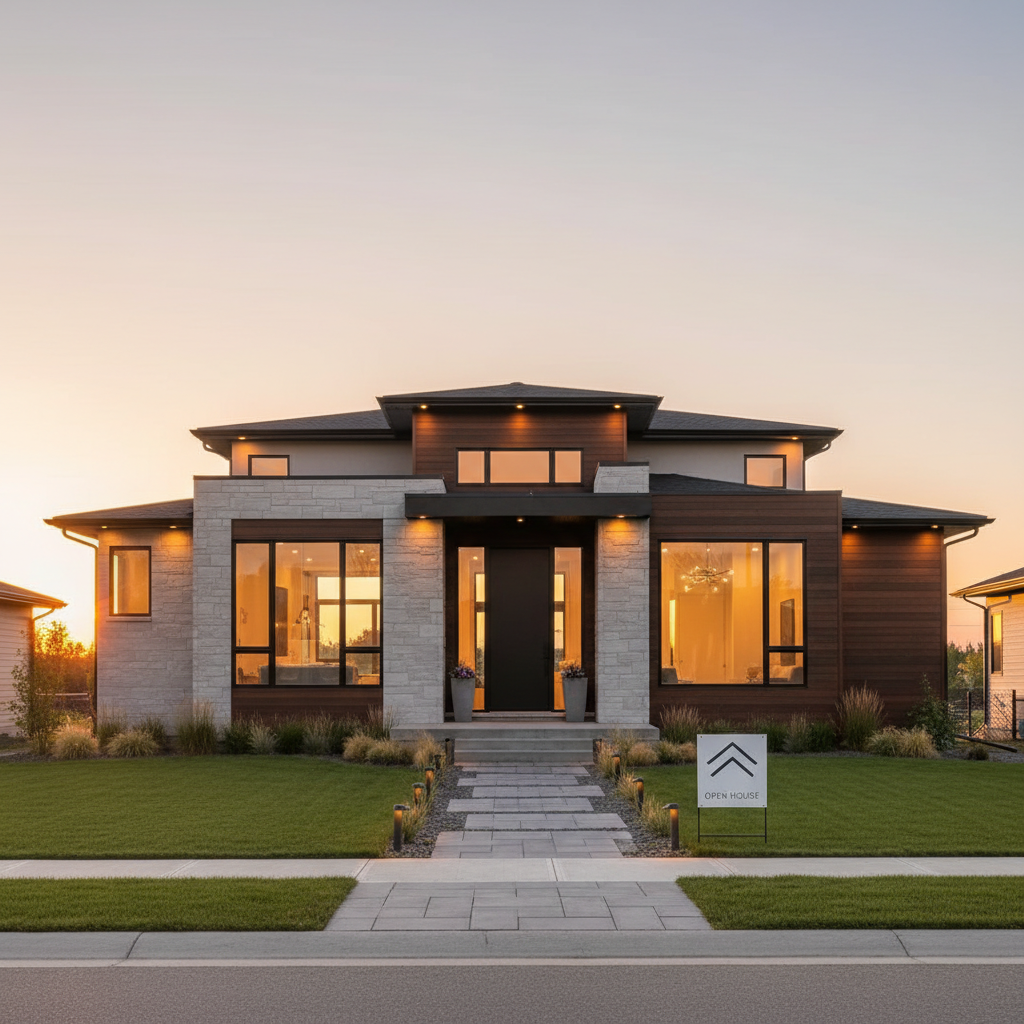
Open houses in Edmonton are scheduled public viewings that let buyers tour homes without appointments. From our Southeast Edmonton base at 5008 4 Ave SW (T6X 1V3), ANAND REALTY INC helps you target the right listings, plan efficient routes, and ask smart questions—so each visit moves you closer to a confident decision.
By Anand Mistry — ANAND REALTY INC
Last updated: 2026-05-21
At a Glance: How to Win Your Open House Weekend
Plan your Edmonton open house weekend by mapping a tight route, preparing a quick checklist, and capturing notes and photos for each stop. Use MLS® tools to filter favorites, verify neighborhood fit, and debrief after touring. With a clear plan, you’ll compare homes faster and negotiate with confidence.
- Plan smarter: Batch showings by neighborhood and time window to avoid backtracking.
- Filter faster: Star must-haves (beds, baths, garage, yard) before you leave home.
- Capture evidence: Snap labeled photos; record pros/cons in one place.
- Ask with intent: Condition, age of systems, recent updates, and permits.
- Debrief same day: Rank each home and shortlist top two for private showings.
- Lean on tools: Start with our interactive map search and set up alerts with the Home Finder.
Open Houses in Edmonton: What They Are and How They Work
An open house is a scheduled, public viewing where buyers freely tour a listing during set hours. In Edmonton, these events help you assess space, condition, and neighborhood feel quickly—often in under 20 minutes—so you can decide whether to schedule a private showing or move on.
Open houses are efficient discovery tools. You’ll see room scale, natural light, and flow in minutes—things photos can’t fully convey. They also offer a low-pressure way to ask questions and sense local activity on the street.
What you can (and can’t) expect
- Expect access: Main living areas, kitchen, bedrooms, baths, and yard (basements vary by listing).
- Expect sign-in: Some agents request contact details for safety and follow-up.
- Don’t expect: Detailed defect lists on the spot—use disclosures and inspections for that.
- Don’t disturb: The seller’s privacy—ask before opening closets or cabinets.
In our experience, most buyers use open houses to narrow options—then book targeted private showings to confirm condition and timing. That two-step rhythm keeps you decisive without rushing.
Why Open Houses Matter in 2026
Open houses matter because they compress learning. In one afternoon, you can validate layout, condition, and commute—context you won’t get online. When the market moves fast, in-person clarity helps you act decisively and negotiate from a position of certainty.
Online listings are powerful, but real-time context wins decisions. Street noise, sun exposure, and micro-block dynamics don’t translate through a screen. Seeing several homes back-to-back also sharpens comparison—your memory stays fresh, and differences stand out.
What most buyers don’t realize
- Momentum matters: Consecutive visits help you spot patterns in finish quality, storage, and curb appeal.
- Timing is leverage: Weekend traffic can hint at demand. Higher attendance may affect offer strategy.
- Follow-up wins: A quick private showing within 24–48 hours keeps you competitive without impulse decisions.
We’ve found that clients who prep a short list before touring and debrief right after visits make cleaner, calmer choices, even when inventory feels tight.
How an Edmonton Open House Day Works (Step-by-Step)
A strong open house day follows five steps: shortlist online, map a route, tour intentionally, document clearly, and debrief fast. This repeatable process turns casual browsing into informed, confident decisions—without wasting weekends.
Step-by-step plan
- Shortlist online: Favorite candidates with our map-based search and create a saved list in the Home Finder.
- Map a route: Cluster Southeast Edmonton stops to minimize drive time and parking stress.
- Tour intentionally: Spend 10–15 minutes per home. Check layout, light, storage, and exterior.
- Document clearly: Label photos, record notes, and star top features while they’re fresh.
- Debrief fast: Rank A/B/C; book private showings for A homes through our Buying page.
Local considerations for Southeast Edmonton
- Plan routes that avoid bottlenecks near 50 Street & Ellerslie Road SW during peak hours.
- Winter tours? Budget a few extra minutes for boots and coats at the door; snow can slow entry flow.
- For family buyers, assess nearby play spaces like Charlesworth Park to gauge daily convenience.
Pro tip: If you’re eyeing multiple homes in T6X 1V3, preview exterior conditions early in the day, then circle back for interiors as crowds thin.
Types of Open Houses (and When to Use Each)
Buyers will encounter several formats: public open houses, broker-only previews, virtual tours, and twilight opens. Each serves a different purpose. Use public opens to sample options, virtual to pre-screen, and twilight to assess natural light and evening street activity.
Common formats
- Public open house: Standard weekend event—great for getting a feel for space and finishes.
- Broker open: For agents and invited buyers; useful for early impressions and quieter walkthroughs.
- Virtual open: Real-time or recorded walkthrough—ideal for pre-screening before an in-person visit.
- Twilight open: Evening slot highlights lighting, curb appeal, and commuting realities after work.
- New-build preview: Model home access helps compare builder specs and floor plans efficiently.
When each shines
- Early research: Stack two to three public opens to calibrate expectations on finishes and layouts.
- Short on time: Combine a virtual open with one in-person visit to validate deal-breakers.
- Light-sensitive: Use a twilight open to judge west-facing glare or evening privacy.
We often pair a virtual pre-screen with one focused in-person stop—that combo eliminates mismatches while preserving weekend energy.
Best Practices: Touring Like a Pro
Tour like a pro by following a short checklist: confirm fit in the first room, scan for maintenance red flags, ask targeted questions, and document everything. Small habits—like photo labels and a post-visit score—turn casual impressions into clear decisions.
A 10-point buyer checklist
- First impression test: Entryway and main living area—does it feel right?
- Layout logic: Traffic flow, bedroom placement, and storage access.
- Light and orientation: Morning/afternoon sun and privacy from neighbors.
- Noise scan: HVAC hum, street traffic, and nearby construction.
- Condition cues: Flooring wear, caulking, water stains, and attic/basement smells.
- Systems age: Furnace, hot water, roof, and windows (ask for approximate ages).
- Permits and work: Ask which updates were permitted and when.
- Exterior check: Grading, downspouts, siding, and fence condition.
- Storage reality: Pantry, closets, and garage usability.
- Neighborhood read: Street parking, sidewalks, and everyday convenience.
Questions to ask at the door
- What’s the seller’s preferred possession date?
- Any recent offers or pre-inspections we should know about?
- Which updates were done professionally and which are DIY?
- Have there been moisture or foundation concerns?
Use a simple 1–5 score for layout, condition, location, and overall feel. If a home averages 4+, book a private showing the same or next day from our Office Listings.
Tools and Resources to Plan Your Day
Start with a focused search, then automate your follow-up. Use our map search and Home Finder to build your route, save favorites, and get alerts. Pair that with a home value and mortgage check to align tours with realistic next steps.
- Search smarter: Use the interactive map search to visualize clusters.
- Save and sort: Create alerts and watch lists in the Home Finder.
- Check value: Request a home evaluation to gauge list-price realism.
- Prep to offer: Review steps on our Buying guide before touring.
- Track contenders: Revisit saved options via My Listings.
Directional signage influences turnout. For background on sign types and placement, see this overview of choosing open house signage. Practical scheduling tips from a property-viewing perspective are summarized in this viewing scheduling guide.
Safety, Signage, and Etiquette
Respect the home, follow posted paths, and ask before opening storage. For agents and sellers, clear directional signs and simple house rules keep traffic moving safely—improving the experience for everyone who visits the property.
- Safety first: Mind steps, rugs, and boot trays—especially in winter.
- Etiquette basics: Remove shoes, limit food/drink, and supervise kids closely.
- Signage matters: Well-placed arrows reduce missed turns and improve flow; see this open house sign checklist for a helpful overview.
- Parking courtesy: Observe neighborhood rules, keep driveways clear, and watch snow windrows.
Thoughtful etiquette preserves the home and keeps tours efficient. It also sets a positive tone if you ultimately submit an offer.
Pricing Signals You Can Read at an Open House
Treat list price as a starting signal, not a conclusion. Cross-check recent neighborhood sales, condition, and upgrade quality. Use activity levels, days on market context, and your agent’s valuation to decide whether to return for a private showing and how quickly to move.
Signals that matter
- Condition vs. comparables: Fresh systems and solid maintenance often justify stronger interest.
- Turnout and chatter: Busy rooms hint at demand. Quiet opens can signal room to negotiate.
- Neighborhood trajectory: Planned amenities and school catchments can influence future appeal.
| Question | What to Look For | Next Step |
|---|---|---|
| How does it compare? | Recent nearby sales you can check via What Your Neighbour Sold For | Request a quick CMA to validate value |
| Is demand high? | Attendance and agent comments | Book a private showing within 24–48 hours |
| Any red flags? | Moisture smells, uneven floors, DIY wiring | Line up inspection if you remain interested |
When a home feels right, precision beats speed. Align offer timing with facts, not FOMO.
Real Examples from Edmonton Buyers
Open houses help different buyer types solve different problems. First-timers calibrate layouts and budgets, move-up families test bedroom counts and storage, and investors scan for suited layouts or new-build opportunities—all in a single afternoon of tours.
First-time buyer in Southeast Edmonton
- Goal: Find a starter home with a garage and low-maintenance yard.
- Approach: Three opens within T6X 1V3, scored on layout and storage.
- Result: Shortlisted one, then booked a private showing via My Listings.
Move-up family targeting Laurel/Ambleside
- Goal: 4 bedrooms, bonus room, near parks.
- Approach: Two public opens plus a twilight open to check evening light.
- Result: A/B comparison led to a confident next-day showing through our Buying page.
Investor screening suited properties
- Goal: Identify layouts that accommodate a legal suite.
- Approach: Virtual open to pre-screen, then one targeted in-person visit.
- Result: Faster elimination of mismatches; focus moved to an office listing with the right footprint.
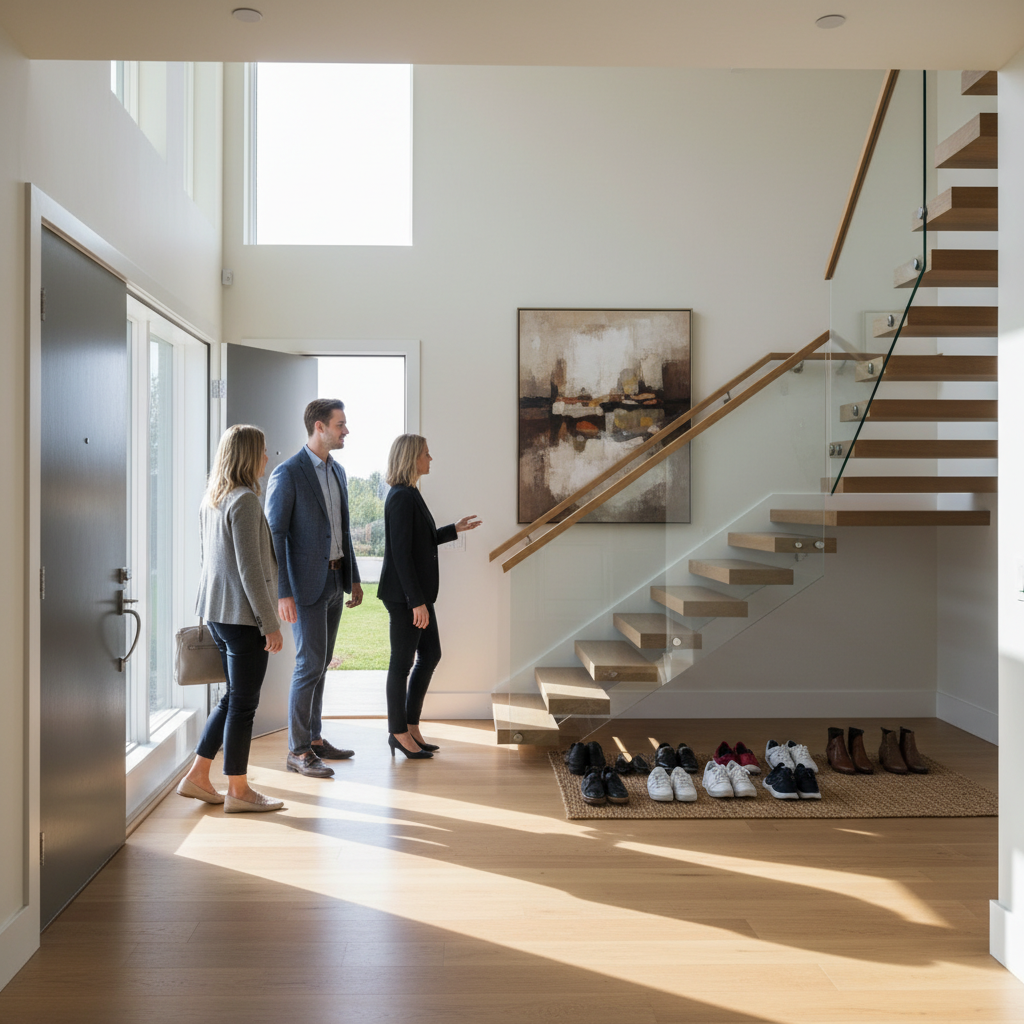
Get a custom open house plan. Share your must-haves, and we’ll map an efficient route, set alerts, and prep questions tailored to your goals.
Start with the Home Finder or explore map-based search.
Open Houses Edmonton: Frequently Asked Questions
Edmonton open houses are public viewing windows—perfect for first impressions and quick comparisons. Use them to pre-qualify homes, then confirm details by booking a private showing. Here are direct answers to the questions buyers ask most.
How many open houses should I see in one day?
Three to five is manageable for most buyers. That’s enough to compare layouts and finishes without blurring details. Batch them by neighborhood, label photos, and debrief within an hour to keep impressions sharp.
What should I bring to an open house?
Bring a phone for photos, a short checklist, and socks for shoe-off homes. If you’re serious, have your agent’s card handy and a notes app ready to log condition cues and questions about systems, permits, and recent updates.
Can I make an offer after attending an open house?
Yes. Most buyers use the open house to confirm fit, then schedule a private showing for a closer look. If the home still works, your agent can prepare an offer aligned with recent sales, disclosures, and your preferred possession date.
What’s the difference between an open house and a private showing?
An open house is public and time-limited, great for quick comparisons. A private showing is scheduled just for you, allowing a slower, more detailed inspection and conversation about offer terms, contingencies, and timelines.
Key Takeaways
Stack your odds by planning your route, carrying a simple checklist, and debriefing fast. Pair open houses with private showings for clarity and speed. Use our MLS® tools to stay organized from first tour to final offer.
- Open houses compress learning across multiple homes in one afternoon.
- Pre-plan with our map search and save alerts in the Home Finder.
- Score each visit; only A homes deserve next-day private showings.
- Cross-check value with a quick home evaluation.
Your Next Step
Ready to tour? We’ll turn your wish list into a precise route, set alerts, and line up private showings. Start with a saved search, then walk into every open house with clarity and a plan.
You’ve got clear goals; we’ve got a repeatable system. Build your shortlist with our Home Finder, explore neighborhoods on the map, and book showings through our Buying page. When you’re ready, we’ll help you move from open house to offer—confidently.