
Home sale marketing ideas that attract qualified buyers and boost interest
Explore home sale marketing ideas with practical guidance, key questions, and clear next steps before you contact ANAND REALTY INC or make a decision.
Home sale marketing ideas that attract qualified buyers and boost interest
When you put your home on the market, attention alone isn’t enough—you want the right attention from buyers who are ready, willing, and able to act. The most effective home sale marketing ideas combine clear positioning, compelling presentation, smart distribution, and consistent follow-up. Use this step-by-step playbook to plan your approach, avoid time-wasters, and help your listing stand out for the right reasons.
Clarify your buyer profile
Before you pick up a camera or write a headline, define who your ideal buyer is and what matters to them. This guides every message, photo angle, and platform selection.
- List needs and values: bedrooms and baths, layout, storage, parking, pet-friendliness, work-from-home space, low maintenance, or yard size.
- Identify lifestyle hooks: nearby recreation, flexible floorplans, accessible entries, or energy-conscious features.
- Map objections: street noise, dated finishes, condo fees, or ongoing maintenance—note how you’ll address each one.
With a clear buyer profile, you can prioritize which features to spotlight and which supporting materials (e.g., floor plans, utility information) to prepare upfront.
Price and position with intention
Price is both a marketing lever and a filter. A thoughtful pricing strategy helps your listing land in the right search ranges and sets expectations before showings begin.
- Think like a searcher: choose a price that places your listing in common price-band filters buyers actually use (for example, round thresholds).
- Benchmark alternatives: consider similar active homes a buyer would tour the same day. Your price, condition, and features should make sense against that short list.
- Leave room for negotiation without scaring off your target audience. Over-pricing often results in fewer showings and stale days on market.
- Prepare a simple one-pager that explains notable improvements, recent maintenance, and included items to reinforce perceived value.
Positioning isn’t just about the number—it’s the narrative that connects price, condition, and benefits into an easy-to-understand package.
Upgrade photos and media for instant clarity
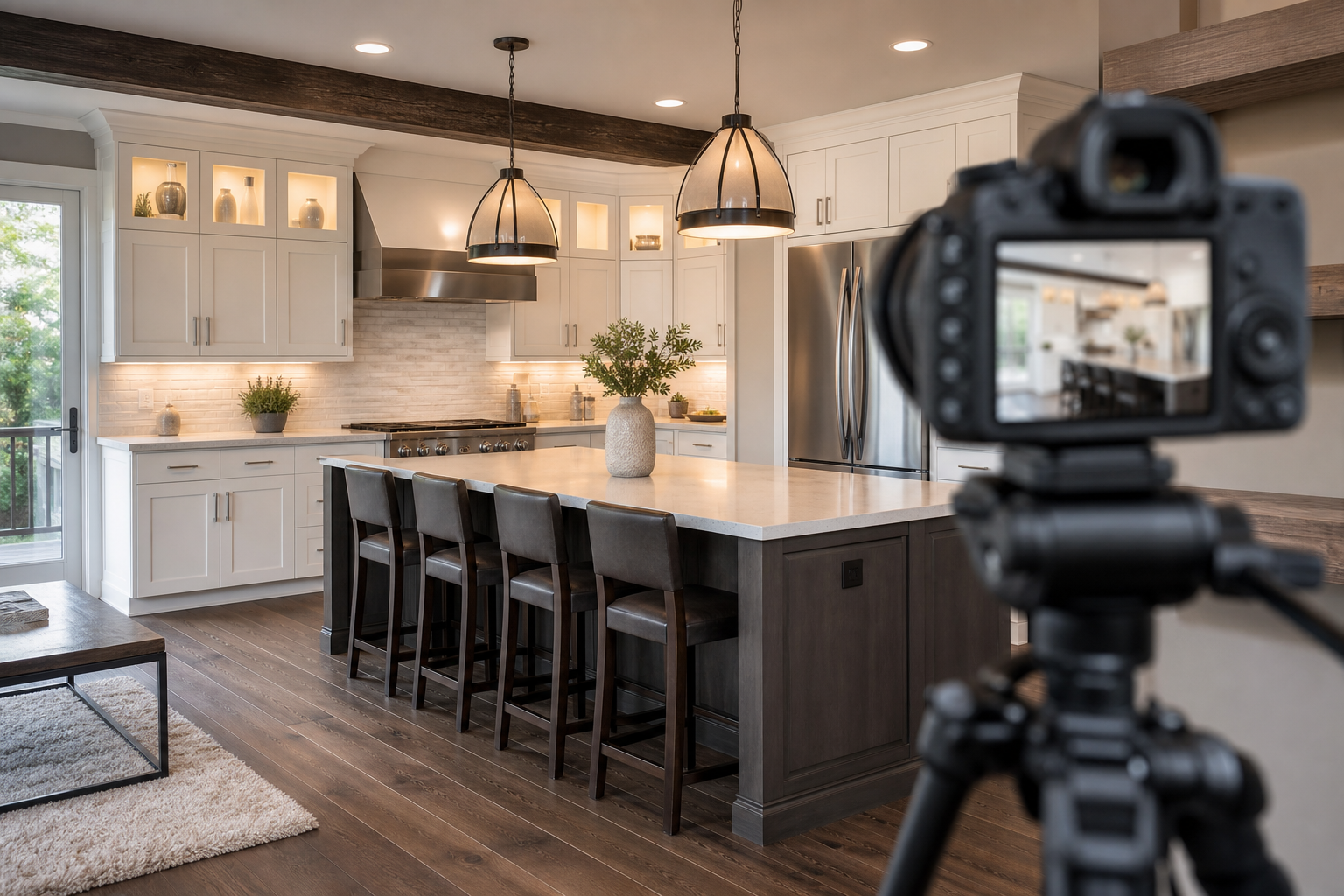
Buyers scan fast. High-quality visuals make them stop, click, and schedule a showing. Aim for accuracy, light, and flow.
- Stage with purpose: declutter surfaces, remove personal photos, balance decor, and define each room’s function.
- Shoot for light and alignment: daylight sessions, blinds set for even exposure, and consistent camera height to avoid distortion.
- Cover the story sequence: front exterior, entry, main gathering spaces, kitchen details, primary suite, secondary rooms, bathrooms, storage, laundry, garage, yard, and any unique amenities.
- Add context shots: pantry, closets, mechanicals (when tidy), and outdoor living areas. These reduce questions and help buyers imagine life in the home.
- Consider floor plans: a clean, legible floor plan helps buyers understand flow and scale beyond photos alone.
Media should answer, not avoid, the obvious questions. Accurate, honest representation builds trust and reduces unproductive showings.
Write listing copy that sells the experience, not just the specs
Strong copy turns features into benefits and makes the next step obvious. Keep it clear, skimmable, and aligned to your buyer profile.
- Lead with a benefit-driven headline: tie a signature feature to a lifestyle payoff.
- Front-load the top five reasons to see the home: layout, light, storage, yard, parking, or recent upgrades.
- Translate features into outcomes: “south-facing windows” becomes “all-day natural light.”
- Be specific and verifiable: materials, approximate room uses, and what’s included. Avoid vague superlatives.
- End with a clear next step: “Request the floor plan and improvement list,” or “Schedule a private tour.”
Pair your copy with a simple fact sheet (room uses, improvements, average utility information if available, inclusions/exclusions). This reduces buyer friction and supports confident decisions.
Maximize distribution across buyer touchpoints
Great content needs reach. Make sure your home shows up where qualified buyers already search and where they verify what they see.
- Portals and brokerage sites: ensure your listing data, photos, and descriptions syndicate cleanly and consistently wherever buyers browse.
- Dedicated listing page: host full media, floor plans, feature lists, and contact options on a single, shareable page.
- Email the right list: send a concise announcement to local contacts, agents you’ve interacted with, and community groups that allow real estate posts.
- Social media placement: create one primary post with a clean carousel and a link to the dedicated listing page; re-share highlights in stories with a strong call to action.
- Neighbourhood awareness: a respectful door-drop postcard or a private invite to a neighbours-only preview can uncover word-of-mouth leads.
Keep the message consistent across platforms. Mismatched information creates confusion and slows qualified interest.
Plan your showing strategy and preempt objections
Buyers compare what they see across multiple homes in a single outing. Smooth logistics and clear information can set yours apart.
- Make access easy and predictable: clear instructions, flexible windows, and tidy spaces.
- Provide a takeaway: a one-page highlight sheet and floor plan they can reference later.
- Answer common questions upfront: recent improvements, ages of major systems when known, inclusions/exclusions, and any special considerations.
- Create a follow-up path: invite questions, provide a direct contact method, and be ready with clarifications or additional photos upon request.
The goal is to reduce uncertainty. When buyers feel informed and respected, they’re more likely to move from interest to action.
Use social proof and third-party context
Social proof reassures buyers that others value what you’re offering. Present it clearly and ethically.
- Gather documented improvements: dates of upgrades, maintenance logs, and warranties where available.
- Share relevant, non-promotional context: details like floor-plan versatility or multifunctional spaces that past owners found useful.
- Invite additional verification: offer to provide any available documents such as floor plans or feature lists on request.
Social proof isn’t hype. It’s documentation and clarity that allow buyers to validate their decision.
Smart open house ideas that respect buyer time
Open houses can amplify exposure when executed thoughtfully.
- Focus on clarity, not crowds: post a clear itinerary (arrival, tour guidance, takeaway sheet, how to request a private showing).
- Stage zones: highlight flexible spaces (office/guest room, gym/playroom) so buyers can picture their own setup.
- Offer silent facts: small, tasteful info cards noting materials or upgrades reduce interruptions and awkward sales pitches.
- Create a simple sign-in with purpose: give a reason to leave contact info (e.g., to receive the floor plan and improvement summary).
Measure results by quality of follow-ups and private showing requests, not foot traffic alone.
Turn one listing into weeks of content
Repurpose your strongest assets to reach buyers who missed your first announcement.
- Short clips: 10–20 second videos that showcase light, layout transitions, or yard access points.
- Before/after moments: tasteful side-by-sides of a pre-listing refresh or staging tweak.
- Carousel storytelling: lead with a hero image, follow with benefits, include a floor plan preview, and end with a strong call to action.
- Answer questions publicly: turn common DMs into clarifying posts that help the next set of buyers.
Consistency compounds. A steady drip of focused highlights keeps your listing top-of-mind for active searchers.
Create momentum with transparent offer logistics
Clear processes help serious buyers plan and act.
- State your process: how to request documents, how to book a second showing, and where to send questions.
- Communicate timelines: if you’re aiming to review offers by a certain date, say so plainly and update if circumstances change.
- Maintain fairness: offer equal access to information and updates to avoid confusion.
Transparency reduces back-and-forth, builds trust, and keeps attention focused on the home rather than mechanics.
Track interest and iterate fast
Your marketing plan should adapt to what buyers tell you—directly or through their behaviour.
- Monitor signals: saves, shares, click-throughs to the detailed page, showing requests, and second-showing conversions.
- Catalogue objections: price sensitivity, layout confusion, photo gaps, or missing details—then fix what you can control.
- Refresh strategically: add clarifying photos, update the headline, tweak the description, or adjust the price band if needed.
- Re-announce meaningful changes: a revised set of photos or a new floor plan is newsworthy—share it.
Small, timely adjustments can spark new interest and reach buyers who overlooked the home initially.
Quick checklist: home sale marketing ideas you can implement this week
- Define your buyer profile and top five benefits.
- Align price to common search bands and local alternatives.
- Stage, declutter, and schedule a daylight photo session.
- Create a one-page highlight sheet and floor plan.
- Write a benefits-first headline and skimmable description.
- Publish a dedicated listing page and verify syndication.
- Email a clean announcement to your network.
- Post a primary social carousel plus short follow-up clips.
- Plan access, showing windows, and a simple takeaway for buyers.
- Track questions, iterate copy or photos, and re-announce updates.
FAQs
What’s the single most important marketing upgrade for a typical listing?
If you do nothing else, invest time in accurate, well-lit photos and a simple floor plan. These two elements answer most buyer questions, increase click-throughs, and improve showing quality.
How long should my listing description be?
Long enough to cover the top five benefits, clarify unique features, and address common questions—often 150–300 words. Make it skimmable with short paragraphs and clear section breaks.
Do open houses still matter?
They can, when they add clarity: organised flow, takeaway materials, and easy next steps. Measure success by qualified follow-ups and private tour requests, not just headcount.
What if my home has a drawback I can’t change?
Own it and reframe where appropriate. For example, if a bedroom is small, label it honestly and highlight alternate uses. Provide enough context and visuals so buyers can decide quickly whether it fits their needs.