
edmonton new build buying guide: a practical 12‑step checklist from lot selection to possession day
Explore edmonton new build buying guide with practical guidance, key questions, and clear next steps before you contact ANAND REALTY INC or make a decision.
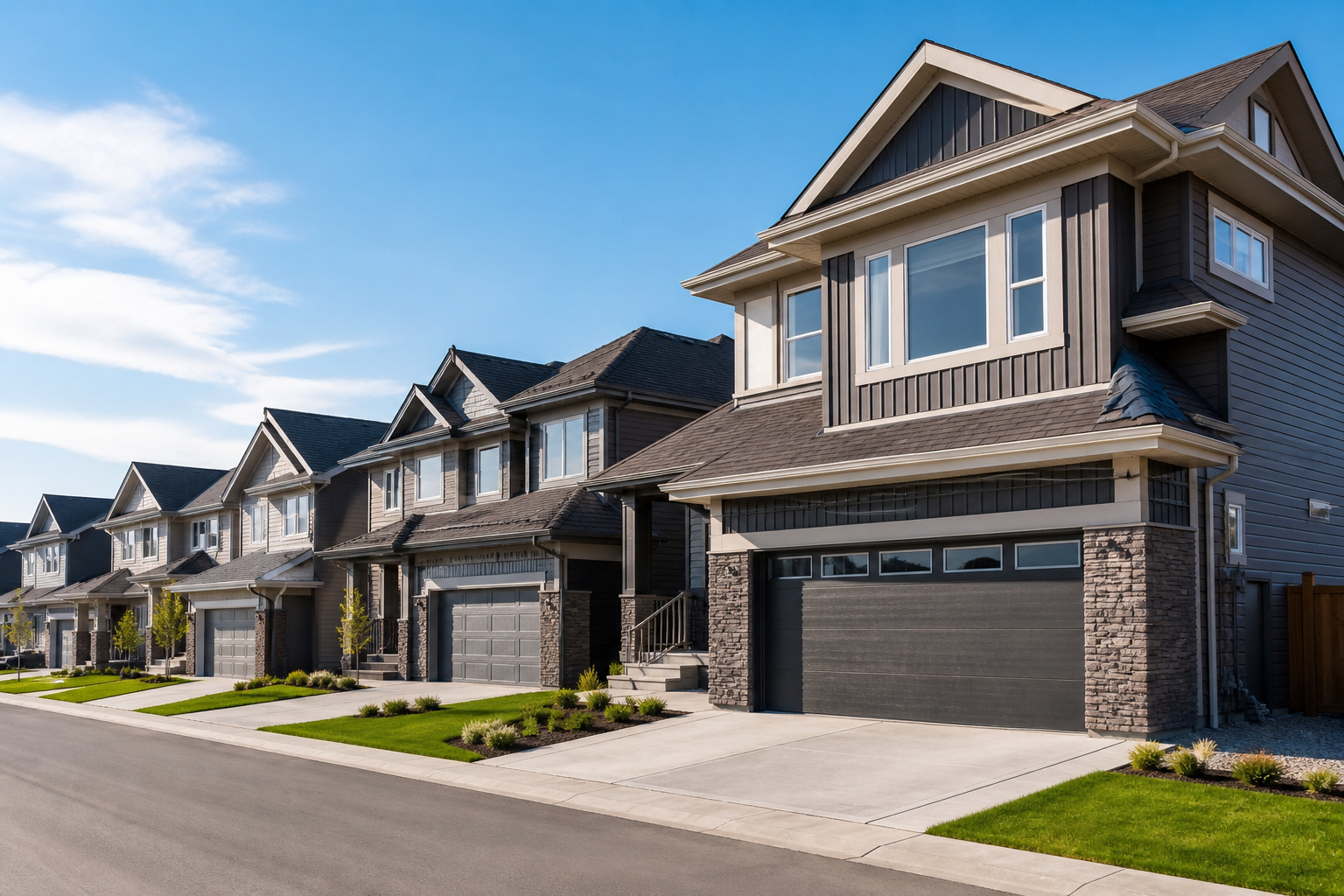
edmonton new build buying guide: a practical 12‑step checklist from lot selection to possession day
Planning a brand-new home is exciting—but there are many moving parts to manage between the first showhome visit and key handover. This edmonton new build buying guide lays out a practical, step-by-step path so you can compare options, ask smarter questions, and keep your build on track from day one. Because new construction involves significant financial and legal commitments, treat this as general information only and speak with qualified professionals (e.g., mortgage specialists, lawyers, inspectors) for advice specific to your situation.
1) Choose your build approach
Before you compare floor plans or upgrades, clarify the type of new build experience you want. Each path offers different timelines, customization, and predictability.
- Spec (move-in-ready or near-complete): A builder constructs the home before sale. You trade fewer choices for faster possession and clearer pricing on a finished product.
- Quick possession (under construction): The build is underway. You might still pick some finishes, with a shorter wait than a full custom or presale.
- Presale (to-be-built on your lot choice): You select a plan and finishes before construction starts. Offers the most customization and the longest lead time.
- Custom build: You work from a unique plan. Highest flexibility and involvement, with added complexity in design, selections, and oversight.
Tip: If timeline certainty is your priority, look for homes already framed or near completion. If personalization matters most, a presale or custom route can be worth the extra coordination.
2) Set a verified budget (and protect your contingency)
Establish your total project budget upfront and pressure-test it against potential changes. A well-structured budget helps you compare builders on more than just the advertised base price.
- Outline major buckets: land/lot, base house price, structural options, design upgrades, landscaping, fencing/decks, window coverings, appliances, and moving/setup costs.
- Keep a dedicated contingency for unexpected items or wish-list upgrades you decide to add later.
- Account for soft costs: surveys, design consultations, professional inspections, legal fees, and utility connections where applicable.
Financing note: New construction financing may work differently than resale purchases, especially for custom or progress-draw scenarios. Confirm details and qualification with a licensed mortgage professional before signing a contract.
3) Select a lot with intent
Your lot choice influences sunlight, privacy, parking practicality, future landscaping, and potential resale appeal. Consider the following when you evaluate available lots:
- Orientation and light: Think about daylight in key living spaces and outdoor areas.
- Setbacks and grading: Understand how slope affects steps, walkouts, drainage, and yard usability.
- Driveway and street layout: Evaluate turning radius, potential snow storage needs, and visitor parking options.
- Future surroundings: Ask what’s planned for adjacent parcels and common areas so you’re not surprised later.
- Easements and utility boxes: Know where utilities run and whether they affect fencing, sheds, or tree placement.
Walk the lot in person when possible, ideally at different times of day, to experience light, sightlines, and traffic flow.
4) Shortlist and vet builders
Creating a focused shortlist helps you compare like for like. Use a consistent framework to evaluate builders fairly.
- Review past projects and current spec homes to gauge workmanship and finishing consistency.
- Ask for a sample specification sheet that lists what’s included in the base price (e.g., flooring types, cabinet construction, countertop materials, lighting counts).
- Request example change orders to understand how pricing is handled when you add or modify features.
- Clarify service processes: selection timelines, communication cadence, site access rules, and who your day-to-day contact will be.
- Confirm warranty coverage terms and how warranty requests are submitted and tracked after possession.
5) Compare plans and structural choices first
Structure drives livability and cost more than cosmetics. Lock in the right bones before worrying about paint colours.
- Focus on the main-floor plan and kitchen workflow; these impact daily comfort the most.
- Assess ceiling heights, stair placement, natural light, and storage (pantry, mudroom, closets).
- Decide on structural add-ons early: separate entrance, bonus room, extended garage, larger windows, or basement development provisions.
- Plan for power/data: add outlets, exterior plugs, and conduit for future tech where practical.
6) Prioritize smart upgrades
Upgrades can balloon budgets quickly. Group them by impact and revisit the list after you’ve priced the structural items.
- Daily-use upgrades: Durable flooring in high-traffic areas, soft-close cabinetry, task lighting, and a practical appliance package.
- Energy and comfort: Added insulation in key areas, efficient windows, programmable controls, and shading options.
- Future-proofing: Conduit for EV charging or solar, extra circuits in the garage, and low-voltage wiring to key rooms.
- Value alignment: Invest where you spend the most time; scale back in secondary spaces you can update later.
7) Understand the contract and warranty
Read every page of the purchase agreement, specifications, and drawings. Small wording differences can change expectations during construction.
- Confirm the full inclusion list, brand/series where relevant, and the finish level for each room.
- Note what counts as a “like-for-like” substitution if a product becomes unavailable.
- Document timelines, milestones, and remedies for delays within the contract terms.
- Clarify warranty submission steps, response times, and what qualifies as normal settlement versus a defect.
Legal note: Contracts define rights and obligations. For interpretation, review your documents with a qualified real estate lawyer before you sign.
8) Map your selections process
Selection days can be fast-paced. A little prep keeps choices cohesive and within budget.
- Create a mood board with 2–3 coordinated palettes before your design appointment.
- Decide where you want to splurge versus save, and bring your prioritized upgrade list.
- Confirm cut-off dates for structural changes versus finish selections and how change orders are priced.
- Ask for labeled samples and photos to attach to your file for clarity.
9) Plan inspections and quality checks
Independent eyes help ensure the home is built to the plans and specs you agreed to.
- Consider third-party inspections at key stages such as pre-drywall and pre-possession, subject to builder site rules.
- Verify that utilities, HVAC, and plumbing locations match drawings and that access panels are provided where needed.
- Test windows, doors, and stairs for smooth operation and safety features during walkthroughs.
- Keep a running punch list with photos and dates; share updates through the agreed communication channel.
Note: Construction sites involve safety protocols. Coordinate visits in advance and follow your builder’s guidelines.
10) Coordinate financing, appraisal, and insurance
Paperwork timing matters in new construction. Keep your financing team in the loop as milestones shift.
- Confirm whether your lender requires a completion appraisal and how possession timing affects your rate hold.
- Share material change notices (e.g., plan revisions) with your lender promptly.
- Line up home insurance to activate on possession; confirm coverage requirements for a new build.
Financial disclaimer: Mortgage strategies and insurance coverage should be discussed with licensed professionals to fit your needs.
11) Prepare for occupancy
As possession approaches, finalize operational details so move-in goes smoothly.
- Schedule utility accounts and internet activation for possession day.
- Arrange appliance delivery if not included, plus window coverings for privacy from day one.
- Plan for immediate exterior needs: temporary steps or pathways if permanent landscaping will follow later.
- Book movers with buffer time in case dates slide slightly.
12) Possession day checklist
Walk the home methodically before you accept keys. Bring your contract, plans, and the latest punch list.
- Verify appliance model numbers, finish packages, and any agreed upgrades against your specs.
- Test every window and door, run faucets and showers, and check drains for leaks.
- Operate HVAC modes and confirm thermostat programming.
- Inspect countertops, tile, paint, and flooring for chips, scratches, or gaps.
- Collect keys, remotes, manuals, warranties, and as-built drawings if provided.
- Confirm the process and timeline for completing any outstanding items.
A quick decision framework you can reuse
Use this repeatable framework whenever you compare builders or plans:
- Must-haves: List non-negotiables (bed/bath count, garage size, workspace needs).
- Daily comfort: Judge kitchen layout, storage, light, noise transfer, and thermostat zoning.
- Future needs: Think about flexible spaces, rough-ins, and wiring for later additions.
- Total cost picture: Compare all-in numbers including structural choices, common upgrades, and soft costs.
- Service fit: Evaluate communication style, selection support, and post-possession processes.
Common pitfalls to avoid
- Chasing base price only: Two “similar” plans can differ widely in what’s included.
- Deferring structural choices: Late structural changes are costly and may not be feasible.
- Underestimating soft costs: Legal, inspection, and setup items add up—budget for them early.
- Untracked changes: Verbal approvals can be forgotten; keep signed, dated change orders.
- No contingency: Builds evolve. Protect your budget with a buffer for unknowns.
FAQs
Is buying a new build different from purchasing a resale home?
Yes. With new construction, you’re agreeing to plans and specifications that will be completed over time, rather than inspecting a finished home. Expect design appointments, construction milestones, and a longer timeline. Financing, appraisals, and warranties may also follow a different process than a typical resale purchase. Review specifics with your mortgage professional and lawyer.
Which upgrades usually deliver the most day-to-day value?
Focus on high-use areas and comfort: a functional kitchen layout, durable flooring where traffic is heaviest, effective task and ambient lighting, storage solutions, and climate comfort features. Future-proofing items—like added wiring, conduit, and garage power—are relatively affordable during construction and harder to add later.
Can I hire my own home inspector for a new build?
Many buyers choose independent inspections at stages like pre-drywall and pre-possession for added peace of mind. Coordinate with your builder for site access and safety requirements, and ensure your contract allows for third-party visits.
How can I compare builder quotes fairly?
Request detailed specifications with brand/series where relevant, confirm what’s included in the base price, and price identical structural and finish packages across your shortlist. Ask for example change orders and confirm how substitutions are handled. Compare the total all-in cost rather than headline prices.
What happens if my possession date shifts?
Construction timelines can move. Keep your lender, insurer, movers, and utility providers updated as milestones change. Build buffer time into your plans and confirm contractual remedies and notifications related to delays with your lawyer.