
Downtown Edmonton condo guide
Clear definition of downtown Edmonton condos, neighbourhood hotspots, buyer and seller checks, market signals, and practical steps to search or book an.

Downtown Edmonton condo guide
This guide defines what counts as a downtown Edmonton condo, explains why a downtown address matters for buyers, sellers and investors, and lists the practical checks you should prioritise before you buy or list. It also points to local market signals and quick next steps so you can search listings, run affordability checks or request a home evaluation.
What counts as a downtown Edmonton condo and why location matters
For this guide, a downtown Edmonton condo is a residential unit located in the central business district or the immediately adjacent neighbourhoods that feed downtown amenities and transit. That includes midrise and highrise apartment-condo buildings, stacked townhomes inside strata corporations, and new mixed-use developments that include condo units. Downtown condominiums are typically defined by their proximity to jobs, transit, the river valley and core amenities, which creates different lifestyle, financing and resale dynamics compared with suburban houses or lowrise neighbourhood condos.
Wîhkwêntôwin, formerly known as Oliver, is widely recognised as the heart of Edmonton’s condo living, with hundreds of buildings and a broad price range that suits first-time buyers and buyers seeking premium units. For a neighbourhood overview and examples of downtown pockets where condo inventory concentrates, see the Best Edmonton Neighbourhoods for Condo Living resource.
Why downtown matters for buyers, sellers and investors
Downtown location changes how condos behave in three practical ways. First, walkability, transit access and proximity to jobs support higher rental demand and attract buyers who prefer a low-commute lifestyle. Second, building type and amenities affect monthly ownership costs and resale appeal more than they do in single-family areas. Third, downtown markets can experience concentrated new-build activity, which alters supply and resale risk near completion dates. For recent coverage of downtown renewal and where new condo activity is happening, consult the Downtown Edmonton new condos and development overview.
Measure-based market signals matter. Recent reporting cautions that municipal assessments can lag market movement and that downtown condo transaction volume has been notable relative to other Edmonton areas. For a snapshot of recent transaction volume and local trends, review the downtown market update linked in the local market reports.
Neighbourhood spotlight: Wîhkwêntôwin and nearby pockets
Wîhkwêntôwin is the most prominent downtown condo neighbourhood. It offers the densest collection of condo buildings, immediate access to the river valley network and direct walking routes to downtown employers, dining and transit. Buildings there range from older concrete towers to newer glass highrises and boutique lowrise projects. Buyers should expect a wide spectrum of unit sizes and price points in this pocket. For a neighbourhood-by-neighbourhood breakdown and to compare building types and proximity to parks and transit, review the neighbourhood guide linked above.
Other downtown-adjacent pockets show increasing new condo projects that aim to capture buyers seeking park adjacency and transit links without full downtown prices. These pockets can deliver value but require careful attention to developer reputation, construction timelines and expected occupancy dates.
Key checks for downtown condo buyers

Buying downtown requires a different checklist from buying a suburban house. The essentials below focus on ownership costs, legal records and practical rights that affect daily life and later resale.
Condo fees and the reserve fund
Condo or strata fees pay for common-area maintenance, building insurance and contributions to the reserve fund. The reserve fund is a long-term savings account for major repairs, such as roof or elevator replacement. High monthly fees may be acceptable when they include robust reserve funding and extensive amenities. Low fees that coincide with an underfunded reserve expose owners to special levies or large assessments later. Ask for the most recent operating budget and reserve study and compare fee levels with similar buildings before you buy.
Parking, storage and amenity rights
Parking stalls and storage units are often deeded or sold separately from the condominium unit. Confirm what is included with the unit, whether parking is assigned, and whether any required visitor parking or EV charging access exists. Consider how the availability of deeded parking and dedicated storage affects resale and rental appeal in downtown areas where street parking is limited.
Strata documents, meeting minutes and bylaws
Request the strata package and the last 12 months of meeting minutes before you remove conditions from an offer. Look for repeated complaints about the same item, frequent use of special levies, unresolved disputes with contractors or evidence of deferred maintenance. The bylaws will also show rules on rentals, pets and short-term leasing, which directly affect investor strategies and long-term living plans. If you find anything unclear or potentially costly, have a lawyer or condo specialist review the documents.
Financing and lender considerations for downtown condos
Lenders review building-level factors as part of condo financing. They commonly consider building age, owner occupancy rates, the reserve fund and any history of special assessments. Start with a mortgage preapproval, confirm which lenders accept the specific building or project, and use a mortgage calculator to estimate monthly carrying costs. Anand Realty’s site lists tools including a mortgage calculator and a free home evaluation you can use early in your research.
Common buyer objections and decision criteria
Prospective buyers often cite three recurring concerns. Below are measurable criteria you can apply so emotion does not drive the decision.
- Fees are too high: compare fees to three similar buildings by square footage and amenity level. If fees exceed peers by 15 percent or more without explanation, ask for recent capital expenditure plans.
- Limited parking: confirm whether a deeded stall is included, whether stalls can be sold or rented, and whether visitor parking meets your needs. For resale, units with deeded stalls typically sell faster.
- Uncertain resale: check recent sold listings in the building and surrounding blocks. If turnover is low and prices have been stable or appreciating, resale risk is lower. If new development nearby will add many units, weigh the timing and target buyer pool.
What sellers should know about listing a downtown condo
Sellers must price and market downtown condos with building context in mind. A professional home evaluation that compares similar sales and shows recent closed prices for nearby units helps set a reliable list price. Anand Realty offers a home evaluation and tools for seeing what your neighbour sold for that help you place a listing in the right market band.
Staging should emphasise core selling points for downtown buyers: efficient use of space, views, access to transit and building amenities. For investor-owned units, prepare clear documentation of rental records and strata compliance to reassure buyers and their lenders.
New developments, supply and resale risk
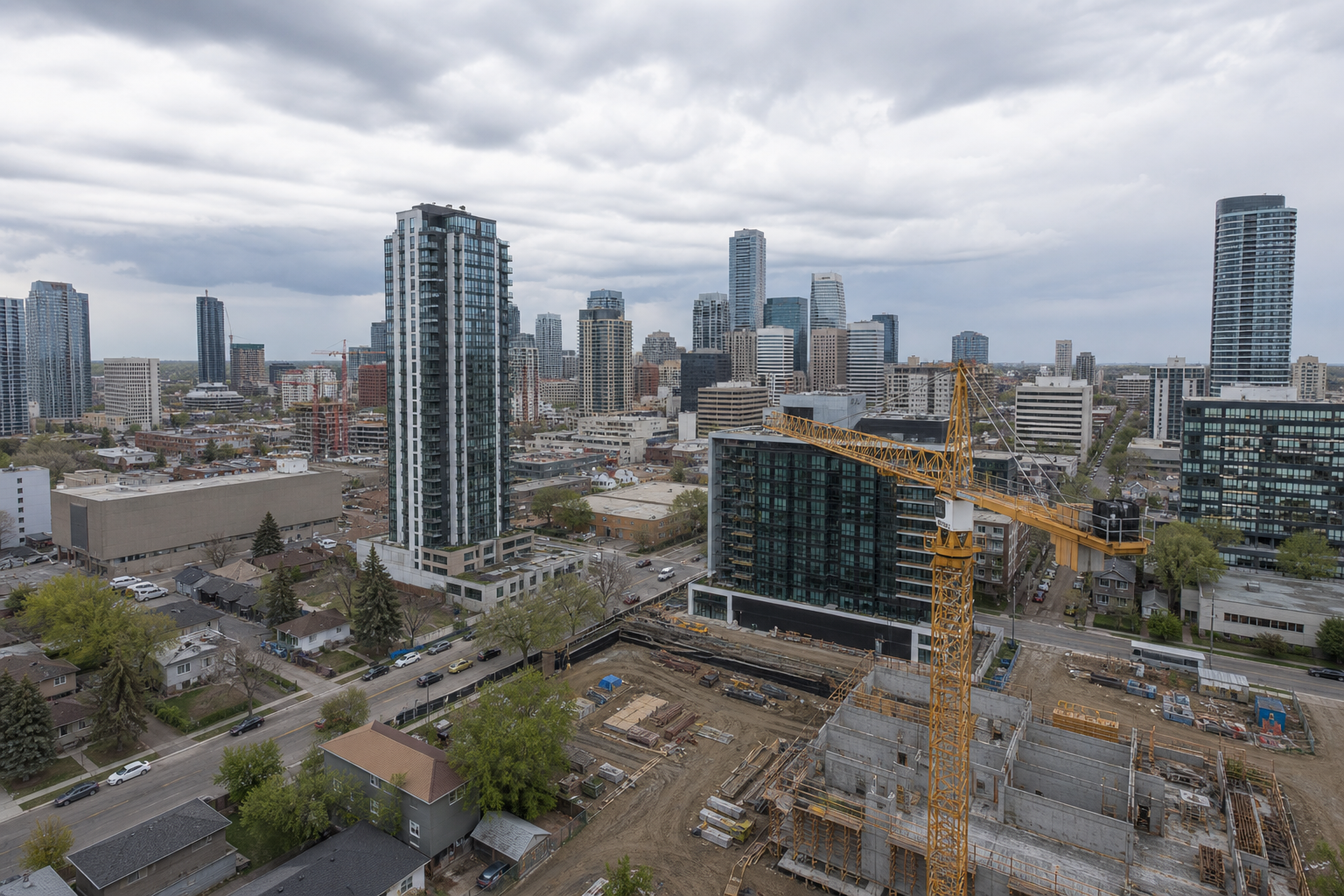
Downtown renewal and fresh condo starts can change supply dynamics quickly. New projects can provide modern finishes and strong amenity packages, but they can also temporarily increase available inventory and lengthen time on market for comparable resale units. If you are considering pre-construction purchases, factor in completion risk and how additional nearby supply will affect demand when units reach the resale market. For coverage of recent downtown development trends and where new projects are concentrated, see the residential renewal analysis referenced earlier.
Local market signals to check before you act
Before you make an offer or list a unit, check up-to-date local indicators: recent sold prices in your building, time on market for comparable condos, rental vacancy and listings volume. Local market reports note that downtown transaction volume has been active and that municipal assessments can lag market movement, which is why using current sold data is important. Use neighbourhood reports and market updates to interpret timing for buying or selling.
How to take informed next steps right now
Follow these immediate actions to move from research to decision:
- Run a targeted map search for downtown condos on the site and save properties you like to a watch list so you monitor price or status changes.
- Use the mortgage calculator on the website to test different down payment and amortization scenarios and confirm affordability.
- Request a free home evaluation or a comparables review for a specific building or unit to understand current market value.
- Book a short consultation with an Edmonton REALTOR® who specialises in downtown condos to walk through building-level lender rules and strata considerations.
All of these tools and services are available through the Anand Realty site where you can access search tools, saved searches, valuation tools and contact options.
Frequently asked questions
What is a downtown Edmonton condo and how is it different from other condos in the city?
A downtown Edmonton condo is a strata unit located in the central business district or immediately adjacent pockets where walkability, transit and proximity to downtown amenities shape demand. Compared with suburban condos, downtown units often have higher rental appeal, different parking arrangements and building-level concerns such as reserve funding and amenity maintenance.
What condo documents should I review before buying a downtown unit?
Request the strata information package, the most recent operating budget and reserve study, bylaws, and at least 12 months of meeting minutes. Look for repeated maintenance issues, special levies and rental or pet restrictions. If anything is unclear, have a real estate lawyer or condo specialist review the records.
Are downtown Edmonton condos a good option for first-time buyers or investors?
They can be. Downtown condos suit first-time buyers who prioritise transit and shorter commutes and investors who need rental demand. Evaluate monthly fees, parking, strata rental rules and lender acceptance for the specific building before deciding.
How do new downtown condo developments affect resale values?
New developments increase supply and may extend time on market for nearby resale units while offering modern finishes and amenity appeal. Timing matters. Monitor project completions and local absorption rates so you understand short-term supply pressure and longer-term demand drivers.
How can I use Anand Realty tools like map search, watch list and the free home evaluation?
Use the map search to narrow by street, transit and amenity proximity. Save interesting listings to a watch list to receive updates. Request a free home evaluation to see comparable sales and understand price positioning. Access these tools and book a consultation through the main site or the contact page.
Book a free evaluation or a quick consultation
If you want a neighbourhood comparables report, an affordability check, or a short call about lender rules for a specific building, request a free home evaluation or schedule a consultation. Anand Realty provides map-based MLS search, saved search watch lists, a mortgage calculator and a free home evaluation to support downtown condo decisions.
Book a consultation or explore tools at ANAND REALTY INC. For neighbourhood context and local reporting, see the Best Edmonton Neighbourhoods for Condo Living resource, the Downtown, Edmonton market update, and the Downtown Edmonton new condos and development overview.
Sources: Best Edmonton Neighbourhoods for Condo Living (jeremysells.ca), Downtown, Edmonton market update (honestdoor.com), Downtown Edmonton new condos and development overview (homm.ca), and Anand Realty tools and locally focused services.