
Edmonton Acreage Buying Guide: Avoid Costly Mistakes (2026)
Your 2026 guide to acreage for sale Edmonton: utilities, zoning, access, inspections, and negotiation—plus live MLS tools to shortlist the right rural home fast.
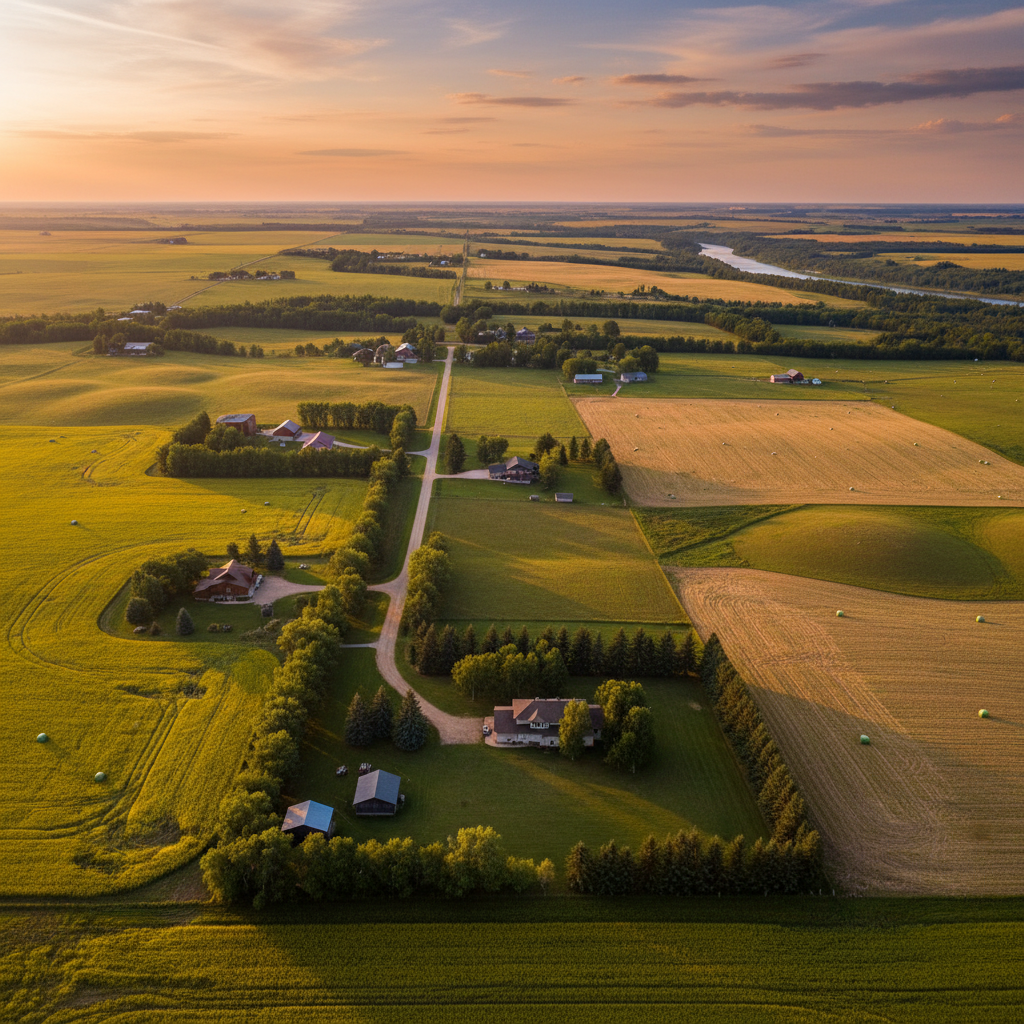
An Edmonton acreage for sale is a rural residential property on one or more acres within commuting distance of the city. These parcels typically use private well and septic systems and may include outbuildings or hobby-farm features. Buyers choose acreages for space, privacy, and lifestyle flexibility. From our Southeast Edmonton base at 5008 4 Ave SW, we guide you through each step.
By Anand Mistry, ANAND REALTY INC — Real Broker | Last updated: 2026-05-21
Summary and quick navigation
Use this complete Edmonton acreage guide to understand property types, utilities (well, septic, power, internet), zoning, access, financing, inspections, and negotiation. Jump to any section via the table of contents, then use our map search and buyer tools to shortlist acreages with confidence.
This guide is designed for residential buyers, move-up families, and investors seeking space and flexibility near Edmonton. You’ll find practical steps, local tips, examples, and checklists aligned to how rural-residential transactions actually work here.
- What is an Edmonton acreage?
- Local acreage snapshot (Southeast Edmonton)
- How the purchase process works
- Types of acreage properties
- Infrastructure: well, septic, power, internet
- Zoning, bylaws, and covenants
- Access, roads, and services
- Environmental and risk checks
- Financing and appraisals
- Inspections that matter
- Pricing factors (no dollar figures)
- Negotiation playbook
- Case studies and examples
- Tools and resources
- Acreage vs. city lot comparison
- FAQ
- Key takeaways
- Conclusion and next steps
What is an Edmonton acreage?
An Edmonton acreage is a rural-residential property, usually 1–10+ acres, on the city’s outskirts or in surrounding counties, often using private well and septic with overhead or buried power. Many offer outbuildings, room for hobbies, and greater privacy while remaining within a reasonable commute of city jobs and schools.
When people search “acreage for sale Edmonton,” they’re usually comparing space and independence against urban convenience. In practice, an acreage is about lifestyle control: you manage water, waste, and land use more directly. That autonomy brings rewards but also new responsibilities.
- Typical size: Many parcels cluster around 2–5 acres; larger holdings are common outside major corridors.
- Services: Private well and septic are the norm; natural gas, propane, and power vary by location.
- Commute bands: A 20–45 minute drive radius covers much of the market buyers target.
In our experience advising Edmonton buyers, clarity on utilities and access early on saves weeks of back-and-forth later. We build this verification into your shortlisting process so surprises don’t appear during conditions.
Local acreage snapshot: Southeast Edmonton (T6X 1V3)
Southeast Edmonton acreages near postal code T6X 1V3 balance privacy with city access, drawing buyers who want space plus proximity to daily amenities. The area’s mix of paved and gravel roads, nearby parks, and growing services makes it a practical base for acreage life without a long commute.
Grounding your search locally matters. From our Southeast Edmonton location, we see consistent demand from families prioritizing commute times, school catchments, and recreation access. Parcels around this corridor often present a blend of open field exposure and shelterbelts.
Local considerations for Southeast Edmonton
- Routing and access: Test drive times during peak hours around 50 Street & Ellerslie Road SW to confirm realistic daily commutes.
- Seasonal timing: Spring thaw can soften gravel shoulders; schedule viewings after moisture events to assess drainage and road base.
- Lifestyle fit: If weekend sports or dog-walking are part of your routine, note the proximity to Charlesworth Park and other nearby green spaces.
Want a real-time picture of what’s available right now? Use our live MLS map search to filter by lot size, dwelling type, and features, then save your favorites to revisit with family.
How Edmonton acreage purchases work (step-by-step)
The best acreage purchase flow starts with needs analysis, then listing discovery and shortlisting, followed by on-site due diligence, financing and appraisal, offer and negotiation, and condition removal with specialized inspections. A structured, data-driven path reduces risk and accelerates confident decisions.
- Discovery and goals: Clarify acreage size, commute limits, utility preferences, and desired outbuildings. We use a buyer interview to capture must-haves vs. nice-to-haves.
- Live discovery: Search with our map-based MLS® tool and get alerts via your watch list so you don’t miss new rural listings.
- Pre-qualification: Speak with a lender familiar with rural-residential properties; criteria for wells, septic, and appraisals can differ from city homes.
- On-site vetting: Confirm access, services, and boundaries in person; photograph utility components and note serial numbers where possible.
- Offer strategy: Structure terms to allow for specialized inspections and document reviews (well potability, septic, RPR/survey, permits).
- Inspections and appraisal: Book qualified rural inspectors; coordinate lender appraisal that recognizes land improvements and outbuildings.
- Condition removal and close: Resolve deficiencies, verify insurability, and complete conveyancing with your legal team.
Our Buying Representation aligns these steps and timelines with the realities of rural due diligence so you can move decisively when the right acreage appears.
Types of acreage properties around Edmonton
Acreage options range from bare land and country-residential lots to hobby farms, equestrian setups, and established homesteads with outbuildings. Serviced subdivisions provide neighborhood-style convenience, while larger rural parcels offer maximum privacy and room for projects.
- Bare land (1–10+ acres): A blank canvas for your build; verify road access, topography, and services before purchase.
- Country-residential subdivisions: Rural feel with some subdivision standards; often better-maintained access and utility norms.
- Hobby farms: Space for gardens, chickens, or small livestock; check animal unit bylaws and fencing.
- Equestrian properties: Barns, arenas, and pasture; confirm footing, drainage, and trailer access.
- Homesteads with shops: Heated shops and storage can be major value drivers; document electrical service and permits.
- River valley/ravine-adjacent: Scenic but review slope stability, setbacks, and flood risk.
It helps to visit at least one example of each type early. Comparing infrastructure, access, and microclimate side-by-side tightens your preferences quickly.
Infrastructure essentials: water, septic, power, internet
Confirm water quality and quantity, septic type and age, power capacity, and reliable internet options before you write an offer. Utility clarity determines livability, lender approval, and long-term costs, and it impacts negotiation leverage when issues are discovered.
On many Edmonton acreages, private wells are drilled to local aquifers; typical flow rates vary by depth and formation. Water quantity and potability tests are standard conditions. Septic systems may be tank-and-field or advanced treatment units; age and maintenance records matter for lenders and insurers.
- Well tests: Quantity (multi-hour drawdown) and potability (coliform, E. coli, common minerals). Keep lab receipts and chain of custody.
- Septic verification: Pump-out and inspection by a qualified provider; ask for installation permits and as-builts if available.
- Power and gas: Note service size (e.g., 100A/200A), buried vs. overhead lines, and appliance fuel sources (natural gas vs. propane).
- Internet: Fixed wireless and satellite are common; confirm line-of-sight and bandwidth for remote work or streaming.

Action step: during your first viewing, photograph well and septic components and label files by address. Organized documentation speeds lender underwriting and makes renegotiation easier if repairs surface later.
Zoning, bylaws, and covenants
Always confirm zoning, permitted uses, and any restrictive covenants before you offer. These rules dictate animals, businesses, outbuildings, setbacks, and subdivision potential—key value drivers that affect financing, insurance, and resale.
Zoning determines what you can build and do on the land. Country-residential districts often allow accessory buildings, but size, height, and location are regulated. Some subdivisions add architectural controls or HOA-style guidelines. Title searches may reveal utility rights-of-way or conservation easements—plan your shop or paddock locations accordingly.
For legal due diligence context, review a general checklist like this property purchase due-diligence overview with your lawyer. Then tailor the items to acreage-specific concerns: water licenses, septic permits, prior development agreements, and road-use access.
Access, roads, and services
Year-round access quality, snow removal plans, and right-of-way clarity are vital. Evaluate approach grades, drainage, and turnarounds for delivery trucks and trailers. Reliable access is a livability necessity and a frequent lender and insurer concern.
- Road type: Paved vs. gravel changes maintenance and winter reliability; check grader schedules with neighbors.
- Driveway geometry: Verify emergency vehicle clearances and trailer swing space; sharp corners can be expensive to correct.
- Drainage: Inspect culverts after rain; standing water near approaches indicates deferred maintenance.
- Mail and waste service: Rural pickup points vary; note distances for daily routines.
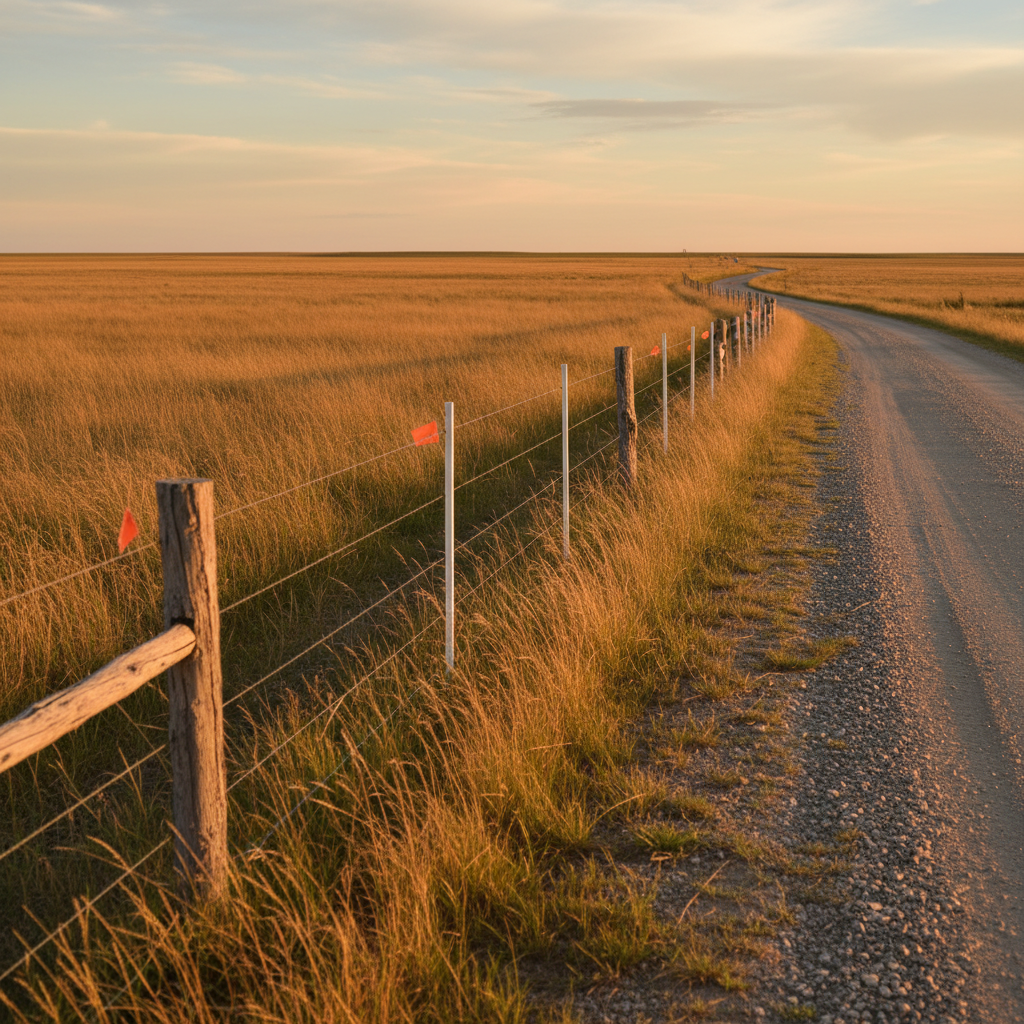
Where boundary lines are unclear, stake confirmation or a recent survey reduces conflict risk. We help you decide when to request updates versus when existing surveys are usually sufficient.
Environmental and risk checks
Screen for flood risk, wetlands, soil capacity, abandoned wells, and historical uses. These factors affect building plans, insurance, and long-term maintenance. Early screening prevents surprises that derail financing or timelines.
Aerial imagery and county GIS often reveal sloughs or seasonal creeks. Soil type influences septic design and gardening potential. Older homesteads may hide disused wells or fuel tanks; reporting and decommissioning standards apply. Wind exposure and shelterbelts shape snow-drift patterns and heating needs.
- Floodplain cues: Silt lines, riparian vegetation, and municipal overlays warrant deeper review.
- Soil tests: Percolation results determine septic field sizing; clayey soils need particular attention.
- Legacy items: Ask about prior barns, pits, or tanks; look for disturbed ground and mismatched vegetation.
- Wildlife coexistence: Plan fencing and waste storage to minimize conflicts.
We incorporate environmental screens before drafting offers when red flags appear in disclosures, photos, or maps. It’s faster to pivot early than renegotiate late.
Financing and appraisals for acreages
Acreage financing differs from city homes. Lenders scrutinize wells, septic, appraisals, and outbuildings, and they assess how much value they’ll attribute to land versus improvements. Work with lenders and appraisers experienced in rural-residential properties from day one.
Appraisers consider dwelling quality, age, and effective size, then adjust for land acreage and utility setups. Outbuildings contribute value when they’re permitted, maintained, and functional. Comparable sales can be sparse; broadening search radii and time windows is common. Lender guidelines often require clear potable water evidence and satisfactory septic condition documentation.
- Pre-approval specificity: Ensure your pre-approval contemplates rural properties with private services.
- Comparable strategy: Expect a larger comp radius and thoughtful adjustments for shops, barns, and fencing.
- Documentation: Keep a single folder with well tests, septic reports, permits, and photos; underwriters appreciate clarity.
We coordinate buyer, lender, appraiser, and inspector timelines so rural-specific conditions fit cleanly within your offer’s schedule.
Inspections that matter on acreages
Beyond a standard home inspection, order well quantity and potability tests, septic inspection and pump-out, electrical service review, and outbuilding evaluations. These specialized checks protect financing, insurance, and livability.
- Home systems: Roof, foundation, heating fuel, electrical service size, panel conditions.
- Well: Flow test and water quality; photograph pressure tank, treatment systems, and label serials.
- Septic: Pump-out and inspection; confirm components, alarms, and disposal field condition.
- Outbuildings: Structure, slab, power, heat, and use suitability (e.g., RV bay height, shop ventilation).
Our offer templates include acreage-focused conditions with clear scopes. We keep the language tight to protect your rights without creating unnecessary friction with sellers.
Pricing factors for Edmonton acreages (no dollar figures)
Acreage value is driven by location, access quality, utility reliability, size and configuration, outbuildings, zoning flexibility, and overall condition. Use recent comparable sales and on-site verification to separate market value from wishful asking prices.
- Location and commute: Closer-in parcels typically command a premium; road quality and winter reliability matter.
- Size and usability: Five flat, usable acres usually outperform ten acres of muskeg for daily function.
- Utilities: Documented well/septic performance and 200A power service are frequent value boosters.
- Outbuildings: Permitted, heated shops with good slab and power add notable buyer demand.
- Zoning and covenants: Flexible use rights and minimal restrictions widen the future-buyer pool.
To anchor expectations with real data, start with our What Your Neighbour Sold For tool and request a tailored buyer strategy consult. When you’re closer to an offer, we also prepare a property-specific value brief to stress-test assumptions.
Negotiation playbook for Edmonton acreages
Win acreage negotiations by writing clean offers with clear scopes for rural inspections, attaching documented buyer strength, and using precise, evidence-backed adjustments when deficiencies appear. Data and clarity reduce friction and build trust across the table.
- Clarity-first terms: Define test standards (e.g., multi-hour well draw) and documentation you’ll supply to satisfy conditions.
- Photographic evidence: Provide labeled images when requesting credits or repairs; precision encourages cooperation.
- Timeline discipline: Right-size condition periods so third-party scheduling is realistic.
- Decision triggers: Agree in advance which results are acceptable vs. deal-breakers; speed matters in competitive windows.
Our background in data-driven sales and insurance helps quantify risk and present adjustments fairly. That’s often the difference between a tense standoff and a signed acceptance.
Case studies and buyer scenarios (real examples)
Real buyers succeed when they align lifestyle needs with property realities. These brief scenarios show how infrastructure checks, commute testing, and comp analysis translate into confident, accepted offers on Edmonton acreages.
Move-up family, Southeast corridor
A family wanted 3–5 acres, a heated 30’x40’ shop, and under a 35-minute commute. We used our map search filters for lot size and outbuildings, pre-booked well/septic vendors, then structured a clean offer with defined test standards. Result: swift acceptance and smooth conditions.
First-time acreage buyer, hobby-farm goals
New to private services, these buyers leaned on our checklists to evaluate water treatment and fencing. They saved favorites in the watch list and asked us to pre-screen zoning for small livestock. The right property appeared; their preparedness made the conditions phase efficient.
Investor targeting shop + rental potential
An investor valued a legal secondary suite path and high-amperage shop. We triangulated comparables from a wider radius and used our Office Listings feed to watch for shop-equipped homes. Documentation of electrical capacity and permits secured lender comfort.
To see acreage examples and how features present in listings, browse a representative sample like these publicly available pages: acreage listing example and eco-village lots example. These are illustrations only; rely on current MLS® data for decisions.
Tools and resources for acreage shoppers
Use live MLS® map filters, save searches to a watch list, and request targeted alerts for acreage features like shops, barns, or 200A service. Pair these with guided consultations and neighborhood data to move quickly with confidence.
- MLS map search: Filter by lot size, features, and location; save to your watch list.
- Home Finder: Tell us your must-haves; we’ll deliver curated acreage matches.
- My Listings and Office Listings: Monitor new and featured options.
- Buyer Resources: Process overviews, checklists, and strategy guidance.
Prefer a quick orientation call? Book a free consult and we’ll map your path from curiosity to keys in hand.
Best practices and the mistakes to avoid in 2026
Avoid costly acreage mistakes by verifying utilities early, testing commutes, documenting everything, and writing offers with clear rural conditions. Treat each property like a mini project: scope, test, document, decide.
- Don’t skip utility testing: Well and septic performance are foundational for livability and financing.
- Don’t assume boundaries: Request stakes or updated surveys when in doubt.
- Document everything: Label photos by address and system; keep one shared folder.
- Drive it twice: Test commutes at rush and off-peak hours.
- Right-size conditions: Build enough time to schedule specialized inspectors.
- Ask for permits: Outbuildings add value when properly permitted and powered.
One more pro tip: align expectations across decision-makers at home before showings. Faster consensus wins offers without overreaching.
Acreage vs. city lot: what’s different?
Acreage living trades proximity for privacy and control. Utilities, maintenance, and access are hands-on, but you gain space, outbuilding options, and lifestyle flexibility. This side-by-side snapshot clarifies the trade-offs.
| Factor | Acreage (Rural-Residential) | City Lot (Urban) |
|---|---|---|
| Water & Waste | Private well and septic; owner-managed | Municipal water and sewer; city-managed |
| Access | Paved or gravel; variable winter service | Consistent paved roads and snow removal |
| Space | 1–10+ acres; room for shops/barns | Smaller lots; limited outbuildings |
| Noise/Privacy | Quieter, more private | Closer neighbors and traffic |
| Maintenance | Owner handles well/septic/drive | Municipal utilities; smaller yard |
Seeing these differences on paper helps align the household on what “good” looks like for your next home.
A quick path to clarity
If you’re serious about acreage living, a 20-minute strategy call can save weeks of guesswork. We’ll outline targeted searches, due diligence steps, and a clean offer template tailored to rural properties.
Get curated acreage matches: Share your must-haves in our Home Finder, or jump into the map search to explore now.
Frequently asked questions
These concise answers address common buyer questions about Edmonton acreages—utilities, inspections, timelines, and resale. Each response is designed for quick scanning and voice-friendly reading.
What should I verify first on an acreage showing?
Start with access quality, visible utility components (well, pressure tank, septic lids), and electrical service size. Note serial numbers where possible and photograph everything. These details help your lender, inspector, and future negotiations.
Do lenders treat acreages differently than city homes?
Yes. Lenders look closely at private services, appraisal comps over a wider radius, and documentation for outbuildings. Getting pre-approved with rural experience reduces surprises and keeps timelines realistic.
Which inspections are non-negotiable?
In addition to a home inspection, plan for well quantity and potability tests, a septic inspection with pump-out, electrical service review, and targeted checks on any heated shop or barn. These findings affect financing, insurance, and comfort.
How do I evaluate an acreage’s resale potential?
Focus on commute band, road quality, usable acreage, documented utilities, and permitted, functional outbuildings. Use recent comparable sales and our data tools to gauge what features most buyers value near Edmonton.
Key takeaways
A great acreage decision blends lifestyle vision with disciplined verification. Use clear criteria, test utilities and access, document everything, and write offers that respect rural realities. Data, not guesswork, wins.
- Define must-haves versus nice-to-haves before showings.
- Verify well, septic, power, and internet early—don’t assume.
- Assess access quality and commute in real traffic.
- Use comps and documentation to support negotiations.
- Leverage rural-experienced lenders, inspectors, and legal counsel.
Conclusion and next steps
Ready to explore an acreage for sale around Edmonton? Start with live MLS® filters, then book a targeted consult to align due diligence with your goals. A clear plan turns acreage curiosity into confident action.
Your next move is simple:
- Open our MLS map search and save 3–5 acreages that fit your must-haves.
- Tell us what matters in the Home Finder. We’ll curate a short list.
- Skim Buyer Resources to preview timelines, inspections, and clean-offer templates.
When you’re ready, we’ll schedule Southeast Edmonton showings and build a rural-ready offer. If a listing catches your eye today, message us—your window may be shorter than you think.